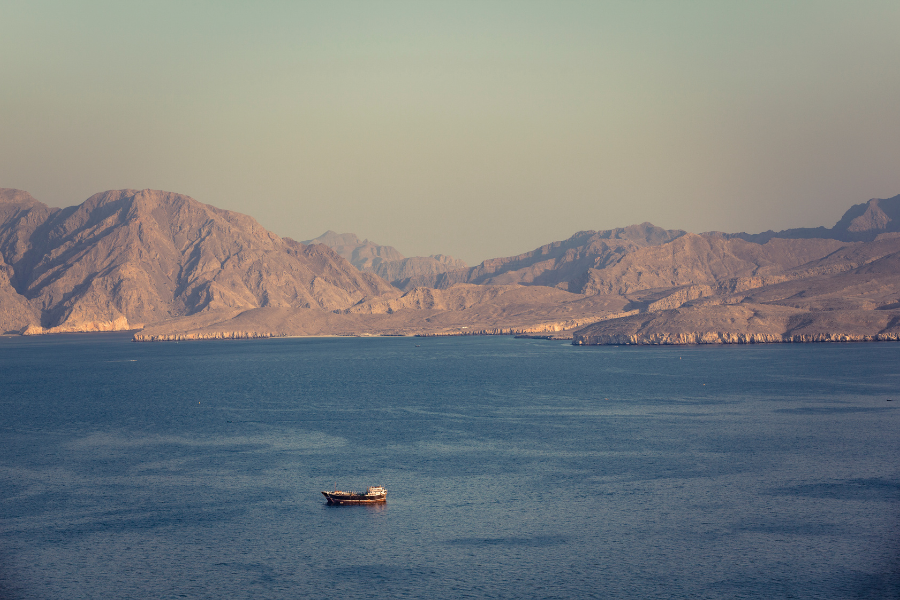
A key variable in the Iran war is Tehran’s divided regime. President Masoud Pezeshkian and Foreign Minister Abbas Araghchi have advocated for a diplomatic settlement, driven by concern over Iran’s economic instability. Other officials have recommended using the Strait of Hormuz as a “bargaining chip” to extract U.S. economic relief. In contrast, Iran’s military establishment, which appears to drive the regime’s decision-making, has resisted any parameters that would reduce Iranian control over the Strait of Hormuz. Some within this camp are reportedly preparing impeachment proceedings against Araghchi, and are considering doing the same to Pezeshkian. Meanwhile, conservative Persian-language outlets have targeted moderate officials with harassment, questioned the legitimacy of diplomatic talks, and called for continuing retaliatory measures against Western leaders.
Navigating the Fallout
Diplomatic resolution remains uncertain. Iran and Oman are reportedly drafting a maritime framework that would give Tehran oversight of inbound traffic and Oman oversight of outbound traffic through the Strait. These factional divisions, particularly the risk of Islamic Revolutionary Guard Corps hardliners undermining any deal similar to the June memorandum of understanding, raise questions about whether any arrangement could hold.
Adaptability is key. Even if an agreement is reached, the path from announcement to stable, open transit has historically been uneven.
Washington engagement warrants attention. The terms of any U.S.-Iran arrangement will have downstream implications for sanctions, shipping insurance, and commodity access.
Companies dependent on Gulf energy flows or regional logistics should monitor policy developments closely and pressure-test their contingency plans against both a near-term resolution and a prolonged standoff.
For tailored insights on sectoral, geographic, or scenario-specific risks, please reach out directly to geopolitics@fgsglobal.com.