The end of summer has long been misconceived as an informal break in the global policy calendar. In reality, geopolitical developments and global crises have turbocharged government activity ahead of major global convenings in fall. Energy grids are straining under record heat across Europe and Asia. Critical mineral supply chains and AI frameworks remain the center of global debate. And on August 19, the U.S. reached $40 trillion in national debt amid the ongoing war in Iran.
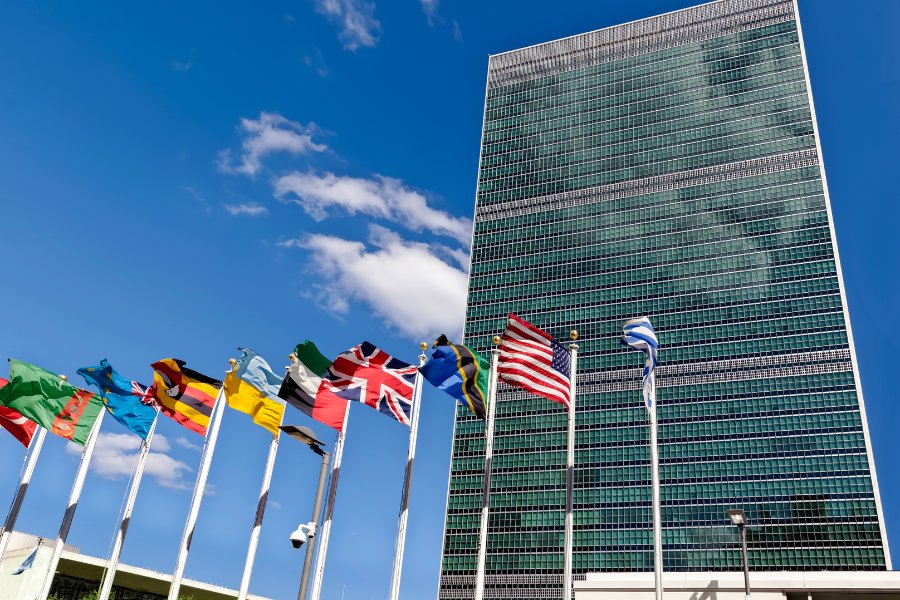
In September, the United Nations General Assembly’s (UNGA) 81st General Debate opens alongside Climate Week NYC, where heads of state, institutional investors, and corporate leaders will be pressed to make binding commitments on energy, capital allocation, and supply chain decarbonization. In December, U.S. Treasury Secretary Scott Bessent will convene G20 finance ministers and central bank governors in North Carolina to discuss global debt, digital assets, and cross-border payment architecture.
What to Watch
The fall calendar presents a consequential window for corporate positioning. There are several opportunities for global leaders to align priorities and establish plans for advancing these objectives in the coming year. Companies that engage proactively will be better positioned to shape outcomes.
The midterms will shape the U.S. position. The outcome of the November 3 elections has the potential to disrupt Republican control of the U.S. government, reshaping the administration’s legislative and regulatory priorities. Organizations should plan against both a continued Republican majority and a divided Congress, as each carry meaningfully different implications.
To learn more ahead of UNGA 2026, contact our team at UNGA@fgsglobal.com or visit our UNGA dashboard. For tailored insights on sectoral, geographic, or scenario-specific risks, please reach out directly to geopolitics@fgsglobal.com.