There’s an old saying that you should never argue with someone who buys ink by the barrel. In the streaming era, the barrel is infinite.
I spent years covering the White House, where the relationship between presidents and the press has always been adversarial. That's by design. But what's unfolding right now is something different and instructive for anyone who deals with the media.
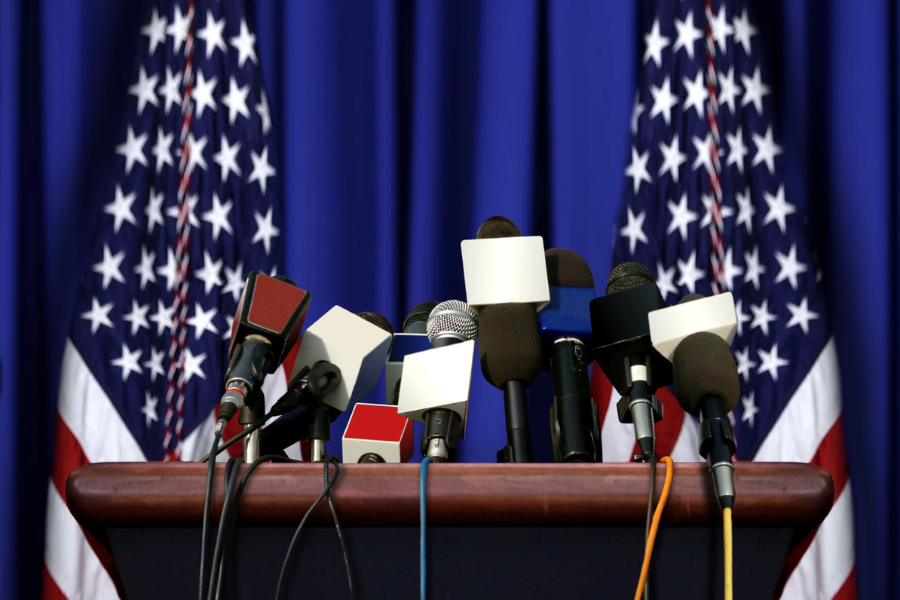
President Trump's ban on CNN, MSNBC and Politico was the latest in a years-long effort to pressure, marginalize and delegitimize media he disagreed with. He kicked the Associated Press out of the media pool that most closely follows him and frequently belittled and retaliated against various reporters. For a while, the strategy worked – individual organizations grappled with the hits on their own, competitors kept their access, and the press corps stayed fractured.
This time, Trump went farther with a complete ban on the three outlets from the White House complex, uniting a highly competitive press corps. TV networks suspended pool coverage in solidarity. The banned outlets filed suit in federal court. More than 50 media organizations – running the ideological gamut from Vox Media to Fox News – joined an amicus brief calling the ban "illegal and unconstitutional."
There is a lesson here for any leader navigating a hostile media environment. Overreach, especially when it looks punitive, tends to produce exactly the coalition you were trying to prevent. Reporters who compete fiercely against each other will close ranks. The story stops being about your organization and becomes about press freedom. That is rarely a fight anyone wins: indeed, a Trump-appointed federal judge restored access within days, agreeing the ban is likely unconstitutional.
The smarter play, almost always, is to control what you own: your message, your spokespeople, and your relationships with the journalists who cover you most closely.