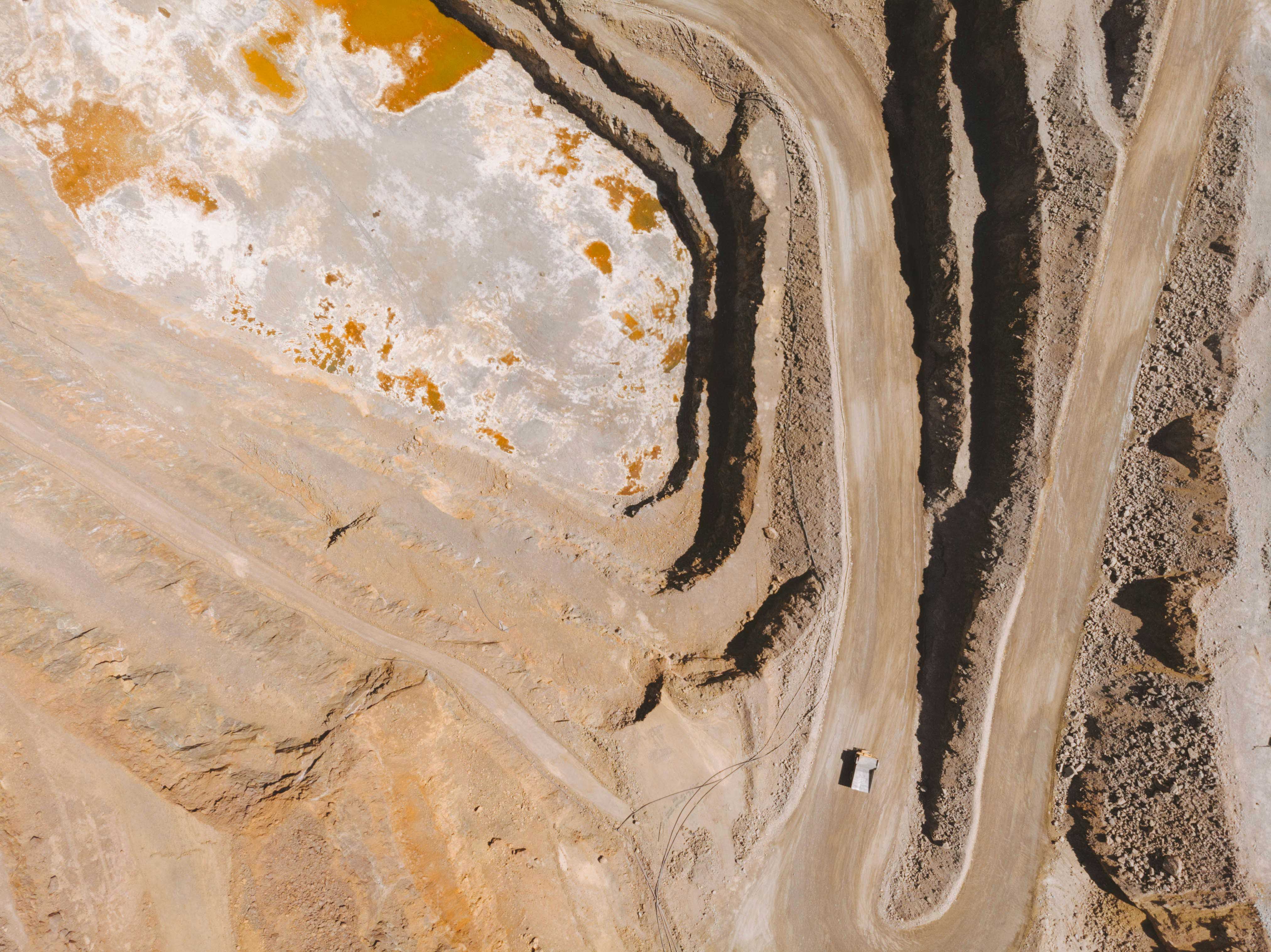
With CERAWeek 2026 shining a spotlight on critical minerals sovereignty, the social frontier for domestic mining and processing becomes an even more important topic of conversation.
Industrial policy has returned to the American center stage with a force not seen in decades. From the invocation of the Defense Production Act to the billions in tax credits flowing through the Inflation Reduction Act, the One Big Beautiful Bill Act and the Fostering Reform and Government Efficiency in Defense (FORGED) Act, the U.S. government has signaled that they will be active market participants alongside the private sector. By deploying price floors, equity investments, and strategic stockpiling, the U.S. and its allies are working to "de-risk" the balance sheet for critical minerals and prioritize domestic and allied production.
But as the financial hurdles begin to clear, a more formidable barrier remains: the social license to operate. While the economics of domestic production can be solved for through
policy and capital, the ability to break ground on new mines and processing infrastructure depends on a social contract that is currently frayed. To secure a resilient future, the industry must demonstrate to local communities that domestic minerals are not just a strategic necessity, but that projects can support communities and should be prioritized.
The economic bridge is built; The social bridge is not
For years, the primary argument against U.S. mining was cost. Outsourcing environmental and social externalities to lower-standard jurisdictions was cheaper. Today, that calculus has shifted. Geopolitical volatility and the weaponization of supply chains by dominant players have turned "cheap" foreign minerals into an expensive national security risk.
Yet, even with significant focus from the government, projects across the American West and beyond are stalled not by a lack of lithium or copper in the ground, but by local opposition, protracted litigation, and a trust deficit.
The "Not In My Backyard" (NIMBY) sentiment represents an opportunity to deepen engagement and refine communication. Rather than viewing local concerns as an obstacle, companies can treat them as an invitation to more clearly demonstrate the immense value they bring to the country. By partnering with communities, the industry can secure both national resilience and long-term prosperity for all stakeholders.
The missing link: Why domestic processing is non-negotiable
Securing a social license requires moving beyond the "extract and export" model of the past. To truly convince the public that domestic minerals are the way forward, the U.S. must prioritize domestic mineral processing.
Extraction is only half the battle. Currently, even U.S.-mined minerals often travel thousands of miles to be refined by geopolitical rivals. This creates a "hollow" supply chain that leaves the U.S. vulnerable to midstream bottlenecks. Co-locating processing with mining offers:
High-value economic anchors: Processing infrastructure provides long-term, high-skilled industrial jobs that extraction alone cannot sustain, transforming a "mine" into a "technology hub.”
Environmental accountability: Domestic processing falls under the world’s most stringent environmental and labor regulations, ensuring "green" batteries don’t come at the cost of unregulated emissions or forced labor abroad.
Supply chain circularity: Domestic hubs allow for the eventual integration of recycling, creating a closed-loop system that reduces the long-term need for new extraction.
What this means for business: Three tactics for the new operating environment
To turn policy goals into physical reality, companies must align commercial strategies with evolving public expectations.
1. Move from "mitigation" to "partnership"
Traditional engagement often focuses on minimizing harm. To secure social license, pivot toward proactive partnership. Involve local tribes, conservation groups, and labor unions early in the process, rather than presenting finished plans for approval. Transparency on water usage, land reclamation, and benefit-sharing can help preempt the litigation that currently defines the sector.
2. Frame the moral imperative
Domestic and allied production strengthens mineral supply chains within the U.S. and represents a premier "ESG" strategy. Every ton of lithium produced within this network of partner countries ensures adherence to rigorous environmental oversight and robust worker protections that may not exist in other jurisdictions. Position U.S. and allied production as "the cleanest and fairest in the world," shifting the narrative from local challenges to global contribution.
3. Capitalize on national security, but prepare for scrutiny
The political spotlight on critical minerals offers unprecedented policymaker access, but it also brings intense scrutiny. Expect government support to come with strings on domestic sourcing and environmental performance. Success belongs to those who don't just meet these standards but set them, using a domestic footprint as a competitive advantage.
The path forward
The "buyers' club" of allied nations and the resurgence of American industrial policy have solved part of the critical minerals puzzle: there is money available. The second half—the social license—cannot be bought, it must be earned. By investing in domestic processing and embracing a partnership approach the industry can prove that American minerals are not just a strategic necessity, but the most responsible way to power the future