Asia proves resilient in volatile times

The Macro – Asia proves resilient in volatile times

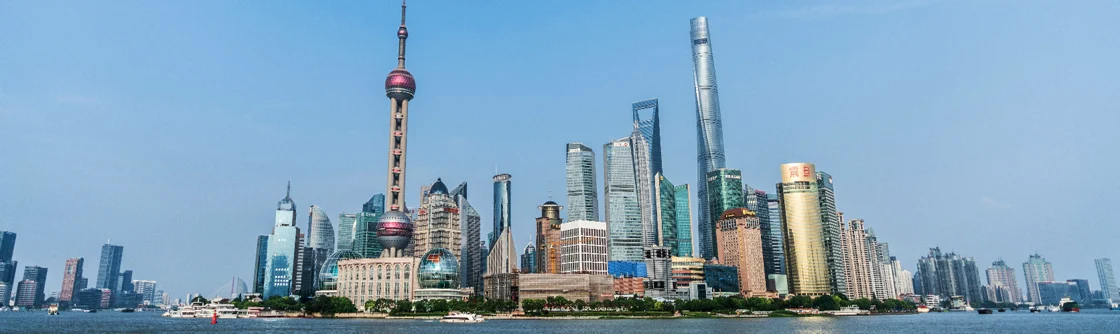
Insight: Despite geopolitical tensions, tariff shocks, border wars and local election surprises, Asia has come through 2025 in robust economic shape with GDP growth of around 5%, according to the International Monetary Fund. The prospects for the coming year look good as well, with the IMF forecasting growth of 4.7% for emerging Asia, led by India at over 6% and underpinned by a resilient 4.5% or so from China. Once again, the region is set to outperform the rest of the world and grow more than twice as fast as the G7 advanced economies. 

Impact: Technology-driven demand was the key factor behind this year’s strong growth, and this momentum will continue – driving both exports, particularly from Taiwan and South Korea, as well as AI-related investment across the region and offsetting tariff headwinds. Macroeconomic policy management has also improved. Most Asian central banks were quick to cut interest rates to foster growth and while they are now nearing the end of their easing cycles, fiscal policy is stepping up to play a larger role in supporting domestic demand. This is certainly the case in Japan and, hopefully, also in China. Meanwhile, weak currencies are good for exports, though Japan may seek to strengthen the yen to keep rising interest costs under control, which could dampen the carry trade. There is always the risk of another (US-induced) policy shock or a geopolitical incident; but barring that, Asia is set to deliver solid regional growth in an uncertain world.

Asia by numbers: $1 trillion

China's annualized trade surplus hit over US$1 trillion for the first time in November. While monthly shipments to the U.S. fell by 29%, marking eight straight months of decline, strong sales to the EU and Africa more than made up for this. With China resolutely sticking to its export-driven growth model, relations with its trading partners will only grow more fraught – witness the vociferous complaints from French President Macron during his recent visit to Beijing.

The Micro – Why enforcement isn’t slowing billions in scam flows in Southeast Asia

Insight: After a year of crackdowns, Southeast Asia’s scam industry has hardly faded into the shadows; instead, it’s simply dispersed and embedded itself more deeply into regional economies and political networks. Raids across Myanmar, Laos and Cambodia have freed trafficked workers and shuttered major compounds, but analysts warn that the pressure has simply pushed syndicates into new hideouts and diversified laundering channels. This year also exposed a more sensitive layer: the nexus between scam proceeds and well-connected elites, with investigations touching influential business figures in Cambodia, asset seizures linked to regional conglomerates, and scrutiny of Thai political leaders following leaked photos and high-profile resignations.

Impact: The reality is that enforcement alone cannot unwind what has effectively become a parallel economy in parts of the Mekong. More worryingly, these scams are ensnaring people at all levels of society - from politically connected elites to ordinary workers and small businesses. As banks scramble to freeze tens of thousands of mule accounts, legitimate shop owners, gig workers, and taxi drivers are increasingly swept into compliance dragnets, unable to access savings or payments for days or weeks. For economies where QR payments dominate, these disruptions ripple quickly through local commerce, tightening liquidity, and eroding trust in digital transactions. At the same time, the displacement of syndicates into new border regions makes the industry harder to contain and heightens the risk that tainted funds continue flowing into mainstream property and financial markets. With the US now tracing laundering trails globally, the coming year may bring even tougher oversight with unintended harm being felt across everyday economic life.

News you can use – After the fire: Corporate Hong Kong steps up

Insight: On November 26, the Wang Fuk Court in Tai Po, Hong Kong caught on fire, leaving hundreds of families in despair and the entire city grieving. The disaster triggered an unprecedented wave of corporate mobilization across Hong Kong. Within hours, companies from banking to tech raced to pledge over HK$250 million (US$32 million) in relief and recovery funds. The scale and speed of response reflected both the tragedy’s severity and growing expectations that Hong Kong businesses demonstrate immediate social responsibility during civic crises.  

Impact: Beyond cheque-writing, companies in Hong Kong launched operationally integrated campaigns that addressed immediate survival needs while reinforcing brand positioning around community care following the fire. For example, McDonald’s turned three outlets into 24-hour relief canteens that provide free meals, while AS Watson mobilized its retail network of supermarkets, drug stores and electronics retailers to deliver nearly 20,000 essential items including water, food, phone chargers and more to temporary shelters. These initiatives not only delivered tangible, practical support on the ground but also underscored corporate agility and local embeddedness.

If you read one thing – Getting deals done in Japan

Japan remains open for business...but, as in many other nations, the appetite to increase the scrutiny of M&A transactions is growing. In a recent FGS Global survey of Japanese policymakers and opinion leaders, 84% want foreign investments to be more strictly vetted in future, while only a third think this is currently being done in practice. Tighter rules may be on their way.  

Read the full analysis here. 

December 12, 2025

Share

Want to see more of this in your inbox?