Southeast Asians are luxury's new power shoppers

The macro: Southeast Asians are luxury's new power shoppers


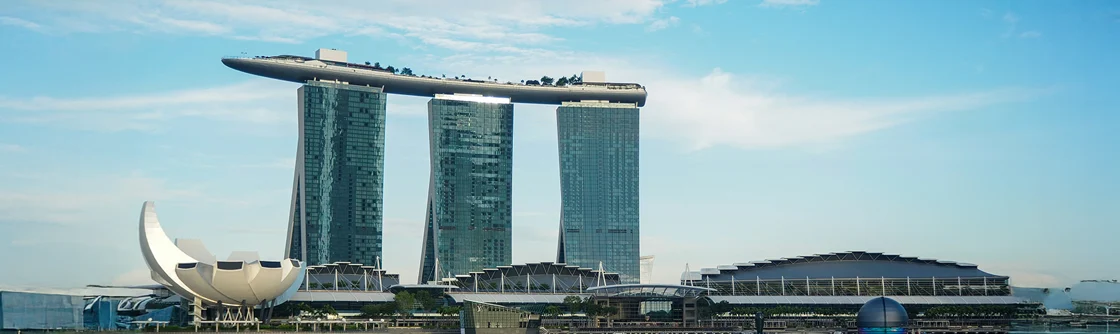
Insight: Global luxury sales might be cooling in China, Europe and the US but Southeast Asia is bucking the trend. Affluent locals and tourists in Singapore, Indonesia and Thailand are still buying, drawn by rising incomes, a culture of considered indulgence, and regional investments in luxury infrastructure. Notably, younger consumers — especially Gen Zs — are redefining luxury by seeking emotional value, individuality, and experiences over status.

Impact: Forget logo-chasing: Southeast Asia’s Gen-Z luxury buyers aren’t rejecting brands, they’re just demanding more. They want brands that stand for something — craft, culture, sustainability — and they’re not afraid to walk away if it feels hollow. That mindset is accelerating the rise of experiential luxury (think: wellness, travel, fine dining) and boosting demand for pre-owned items and customized pieces. 

Asia by numbers: HKD820 billion

Capital inflows through Stock Connect from mainland China into Hong Kong have surged to a record HKD820bn (USD104bn) so far in 2025, surpassing last year’s total and highlighting the city’s deepening role as a key gateway for cross-border investment as Chinese capital reshapes the market landscape.

The micro: Japan’s state-sanctioned restructuring


Insight: Japan Investment Corporation, the country’s version of a Sovereign Wealth Fund, is planning to set up a JPY800 billion (USD5.4 billion) fund to invest in – and thereby encourage – restructurings of Japanese businesses. In particular, the focus will be on big deals of over JPY100 billion, with an investment horizon of 10 years. The initiative comes at a time when deals involving Japanese companies, from non-core carveouts to straight M&A, are hitting record highs. 

Impact: JIC is a catholic kind of institution – willing to back venture capitalists and tech and biotech start-ups as well as investing in mature businesses through its private equity arm. It will do anything, really, to boost Japan’s competitiveness and inject much-needed risk capital into the ecosystem. In that sense, this new fund looks like a welcome move to encourage restructuring among Japan’s corporates, which, analysts say, still has a long way to go. However, the move also has a whiff of protectionism about it, since it suggests the Japanese government will effectively become involved in more of these restructurings – perhaps ensuring that they serve the national interest rather than just the interests of the shareholders involved.

News you can use: Hot summer for Hong Kong's football fans

Insight: Hong Kong has been swept up in football fever this summer, with top Premier League teams including Arsenal, Liverpool, and Tottenham Hotspur coming to the city and playing at the newly constructed Kai Tak Stadium, which seats 50,000 audiences, for the Hong Kong Football Festival 2025. Fans from across Asia and the rest of the world rushed into the city, trying to catch their beloved football stars at open training sessions and marquee matches, turning the week-long event into a citywide celebration.

Impact: Whether you are a die-hard fan or not, it is difficult to ignore the crowds on the streets dressed in team jerseys and the flurry of social media posts. This sporting phenomenon is a milestone for Hong Kong’s ambitions in sports and entertainment, as organizers expect over 100,000 spectators across these marquee matches, more than half of whom are overseas visitors—a windfall for hotels, retail, and the local economy. Brands and partners like AIA and Standard Chartered have taken the opportunity to launch highly visible campaigns to capitalize on the football craze. The question is: can Hong Kong replicate the success and economic boost that Singapore enjoyed from hosting Taylor Swift’s concert last year? 

If you read one thing: What's really behind the Thailand-Cambodia border conflict?

A surprise border clash between Thailand and Cambodia has surprised many. The conflict traces its roots to colonial-era treaties and deep nationalist anxieties, inflamed by domestic politics and a leaked phone call between leaders. What began as a dispute over a centuries-old temple now reflects simmering historical grievances — clearly, this story is as much about the past as the present.

Read the analysis here.

August 1, 2025

Share

Want to see more of this in your inbox?