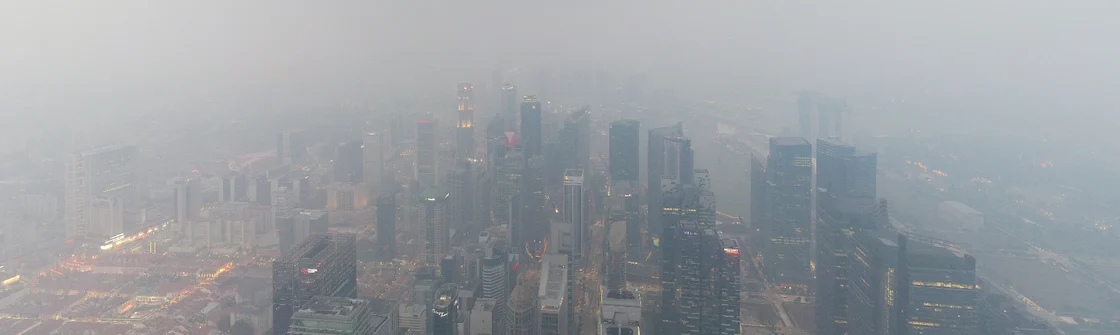
Insight: With Southeast Asia’s dry season now in full swing, the region is choking on an all-too-familiar problem as Indonesia’s worst spate of wildfires in more than a decade has led to haze spreading to Singapore, Malaysia, and even Vietnam and the Philippines. Behind the smoke is the multi-billion-dollar palm oil industry, which has long been associated with deforestation and land clearing through burning. Interestingly, however, this year’s crisis is playing out in courtrooms and boardrooms: Indonesian authorities are now investigating over 200 people and dozens of companies and revoking permits, while civil society groups in West Kalimantan have filed a class-action lawsuit against the Indonesian government for alleged negligence. Similarly, in Malaysia, environmental groups have taken to the streets and Parliament to demand stronger laws to hold companies accountable for environmental damage abroad.
Impact: Much like the haze itself, the cross-border supply chains underpinning Southeast Asia’s economic integration that generate investment, employment and export revenues are worryingly opaque. And the mechanisms for holding companies accountable have struggled to keep pace: 70% of fire spots in Indonesia were found within palm oil plantation concessions held by companies linked to Singaporean and Malaysian business groups. Some of these firms are SGX-listed and subject to mandatory sustainability reporting requirements, yet no company has been prosecuted under Singapore’s Transboundary Haze Pollution Act since its introduction in 2014. And as climate change increases the risk of more frequent and severe wildfires, companies and governments alike are feeling the heat. The question is whether mounting public pressure can finally translate into meaningful accountability, or whether the region will be left fighting the same fires year after year.