The Bad Bunny Effect

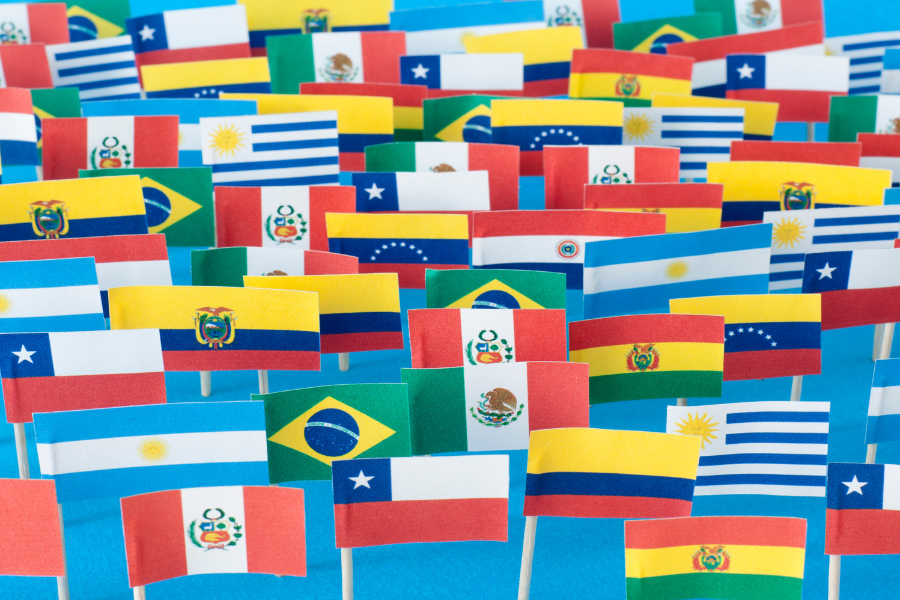
A colorful display of various Latin American country flags on small sticks, closely arranged on a blue surface.

The Bad Bunny Effect

Bad Bunny’s meteoric rise highlights a turning point for Latino influence in mainstream culture. Building on the global impact of artists like Shakira, Ricky Martin and Gloria Estefan, Bad Bunny’s achievements—delivered in Spanish—signal a new era where Latino voices lead on their own terms. Following a pivotal year in which he was named Spotify’s Top Global Artist and became the first Latino to win Album of the Year at the Grammys, Bad Bunny’s influence demonstrates how Latino culture is currently reshaping business, politics and society.

For business and political leaders, this moment carries important lessons for driving relevance, loyalty and innovation in a rapidly changing landscape. Our colleagues at FGS Prospero have outlined three key lessons for leaders seeking to inform strategy, shape public perception and create lasting impact in 2026 both with Latino audiences and beyond:

  1. The Latino market is central—and its reach is global. If U.S. Latinos were an economy, they’d rank fifth globally. With Latin music generating over $1.4 billion in 2024, organizations must treat Latino consumers as a primary segment. And the opportunity does not stop there: with his music playing in nightclubs from France to Indonesia, artists like Bad Bunny open doors to new markets across the globe. Unlocking this potential requires advisors who blend cultural fluency with deep expertise, ensuring campaigns are authentic and relevant.

  2. Authenticity drives lasting impact. Bad Bunny’s unapologetic embrace of his heritage—seen in collaborations like his Adidas partnership—demonstrates that genuine representation transcends fleeting trends. Brands should build relationships alongside Latino voices, rooted in shared values.

  3. Success demands managing complexity. Cultural influence often outpaces policy. Leaders must integrate multicultural perspectives into public affairs and invest in ongoing cultural competency. Intentional, consistent engagement builds goodwill and helps navigate challenges.

To learn more, contact the Prospero team at FGS-prospero@fgsglobal.com.
By the Numbers

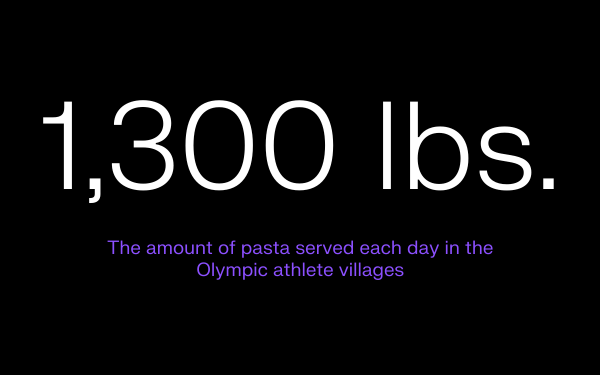
Text on black background: "1,300 lbs. The amount of pasta served each day in the Olympic athlete villages."

Bridge Over Troubled Water

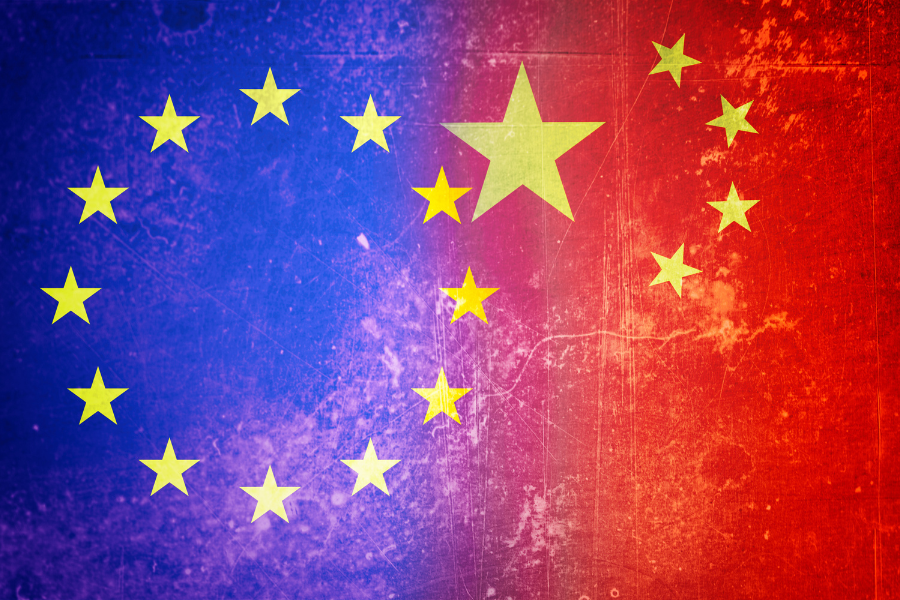
Half European Union flag with yellow stars on blue, merged with half Chinese flag featuring a large yellow star and four smaller stars on red.As global power dynamics shift and economic ties become more complex, the relationship between Europe and China is reshaping the global business landscape. EU-China relations offer a compelling example of how to navigate competition, collaboration and interdependence in an era of rapid change. Drawing on the combined expertise of colleagues from Hong Kong and Berlin, here are six actionable insights for cross-border business success:

  1. Look beyond headlines. Political rhetoric and regulatory proposals often generate noise, but not all headlines translate into real risk. Early, thoughtful analysis helps distinguish substantial developments from background distractions.

  2. Expect regulatory scrutiny. Foreign direct investment screening, data protection and subsidy reviews are intensifying, especially in technology, infrastructure and retail. Transparency and proactive engagement with authorities are essential.

  3. Map stakeholders. Commercial logic alone is no longer sufficient. Public sentiment, media narratives and employee concerns can strongly influence outcomes. Proactive stakeholder mapping and engagement build trust and help pre-empt resistance.

  4. Communicate locally. Cross-border expansion requires more than a one-size-fits-all approach. Tailor communications to local expectations, empower regional teams and bridge cultural gaps to foster lasting trust.

  5. Embrace uncertainty and opportunity. Despite talk of decoupling, global trade remains robust and supply chains are evolving. Diversifying partners can help organizations stay agile and ready to seize new opportunities.

  6. Shape the policy debate. Policymakers recognize the complexity of the environment and increasingly value business input. Well-informed advocacy can influence outcomes and contribute to constructive policy development.

For further insights, contact FGS Global’s Hong Kong or Berlin teams.

M&A-nia

Two individuals in business attire shaking hands, with a warm sunlight glow in the background, symbolizing agreement or partnership.M&A activity is poised for another standout year in 2026, but dealmakers face a fundamentally altered global landscape. Market optimism and CEO confidence are rising, yet a world shaped by competing spheres of influence and strongman leadership demands new strategies. FGS Global’s recently published “Radar 2026: A World Rewired” reveals three major trends to watch in 2026:

  1. Rising nationalism is altering the political landscape. National sovereignty is at a historic high, with 69% of people wanting their country to assert its interests, even if it creates friction. This surge in protectionism means regulatory reviews are more politicized, especially for cross-border and sensitive-sector transactions. Acquirers must frame national interest narratives early, identify protectionist stakeholders and involve government relations teams from the outset.

  2. Populism is impacting scale. In many economies, public skepticism toward large corporations and private equity is mounting. With 74% believing their political systems favor elites, M&A faces a default position of hostility. The burden is now on acquirers to prove deals benefit consumers and employees—requiring robust, data-backed messaging tested before announcements.

  3. Preparation is driving success in the age of hostility. Activist pressure and unsolicited advances are on the rise, making comprehensive defense strategies essential. M&A communications must be activist-proof, with clear rationales, strategic alternatives and proactive stakeholder engagement. In 2026, adaptable frameworks and thorough preparedness can make or break the transaction.

February 17, 2026
By Nedra Pickler, Irene Moskowitz and Erin Barth-Dwyer

Share

Want to see more of this in your inbox?