Bear Necessities

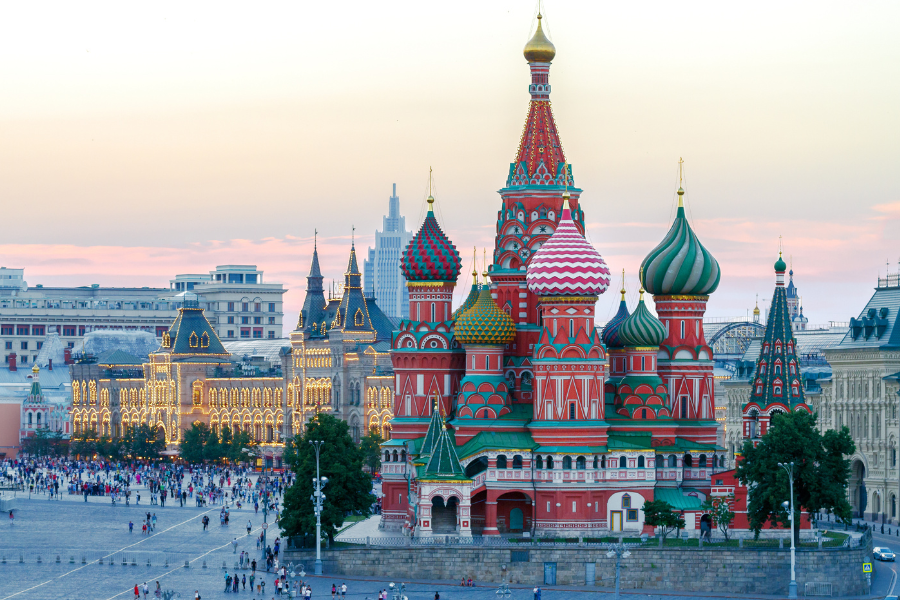
St. Basil's Cathedral with colorful domes at sunset in Moscow's Red Square, surrounded by illuminated historic buildings and crowds.

Beyond the Beltway: Bear Necessities

The Iran war has triggered a global commodity crisis, with Russia emerging as a short-term beneficiary. Tehran's closure of the Strait of Hormuz has choked off oil, aluminum, liquified natural gas  (LNG) and fertilizer flows, driving prices skyward. Now Moscow is reaping billions in additional revenue following the temporary lifting of U.S. sanctions, as buyers return to Russian markets — particularly smaller economies in East and South Asia seeking to sustain industrial and consumer demand. 

However, Ukraine's strikes on Primorsk and Ust-Luga ports, combined with Druzhba pipeline disruptions, have taken roughly 40% of Russian oil exports offline — neutralizing Moscow's ability to profit from the global supply shock. 

Navigating the Fallout 

  • Supply chain disruptions will outlast the conflict. Strikes on Qatar's LNG facilities will take years to repair, while nearly 30 billion cubic meters of LNG has been removed from Indo-Pacific supply chains. Scenario planning should assume broad and extended commodity volatility beyond any ceasefire.  

  • Russian sourcing may create reputational exposure. As Middle East supplies dry up, buyers are turning to Russian suppliers for key commodities. Companies must develop stakeholder communication strategies addressing sourcing decisions that could draw scrutiny from investors, regulators and policymakers.  

  • Government interventions demand operational agility. Business models must accommodate sudden policy shifts and energy rationing. Some Asian governments have imposed emergency measures including four-day workweeks, remote work mandates, school closures and planned blackouts to suppress demand rather than wait for markets to adjust.  

This is the first installment of Beyond the Beltway, a new series from FGS Global's Geopolitics team offering timely analysis on global geopolitical developments. For tailored insights on sectoral, geographic or scenario-specific risks, please reach out directly to geopolitics@fgsglobal.com.  
By the Numbers

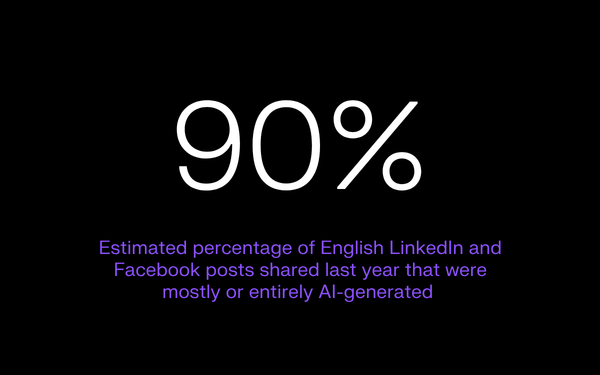
Bold white text "90%" on a black background. Below in purple: estimate of AI-generated posts on English LinkedIn and Facebook last year.

The Revolution Will Not Be Franchised

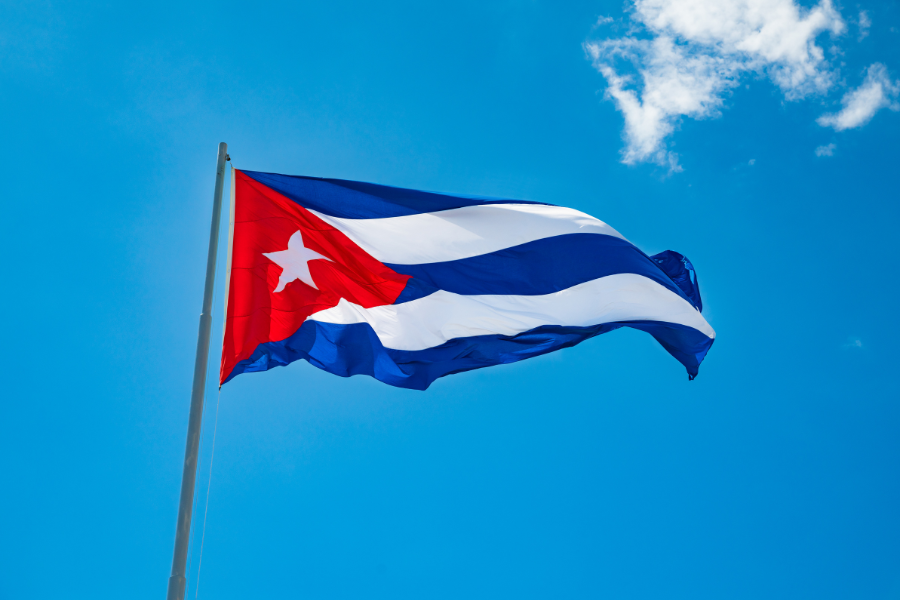
Cuban flag waving against a clear blue sky with a few clouds.For the first time in decades, Cuba is cracking the door open to foreign investment. The country's recent decision to allow expatriates to own businesses and invest on the island has drawn comparisons to the Soviet Union's perestroika reforms — but Cuba's Revolutionary Armed Forces (FAR) still controls the levers of power, and no meaningful opening happens without their approval. 

Still, businesses should track developments closely. FGS Global's Prospero team has outlined what to watch:

  • Aviation: Fuel shortages have forced airlines to suspend or reroute Cuba flights (Air Canada has paused all service through at least November 2026), but that could shift if Washington permits resumed oil shipments to the island.

  • Real Estate: A normalization deal could unlock significant opportunities in tourism, hospitality and commercial development.

  • Regional Dynamics: Cuba cannot rely on its traditional allies as a result of the White House’s maximum pressure campaign. Colombia and Mexico are managing their own friction with Washington, while Venezuela, once Cuba’s most meaningful ally, is now aligned with the administration following Maduro’s capture.

  • Sanctions Compliance: The Helms-Burton Act's property trafficking provisions remain live, and two pending federal cases (Havana Docks v. Royal Caribbean and Exxon Mobil v. Corporacion Cimex) could clarify or deepen litigation exposure for foreign companies by summer.

  • Migration: A total collapse in Cuba could trigger mass migration, which Washington wants to avoid. That shared interest could produce a deal where some recent Cubans immigrants in the U.S. get a reprieve, while Cuba agrees to accept U.S. deportees. A migration crisis would also carry broader regional consequences for American allies.

To learn more, contact the Prospero team at FGS-prospero@fgsglobal.com.

Close But No Cigar?

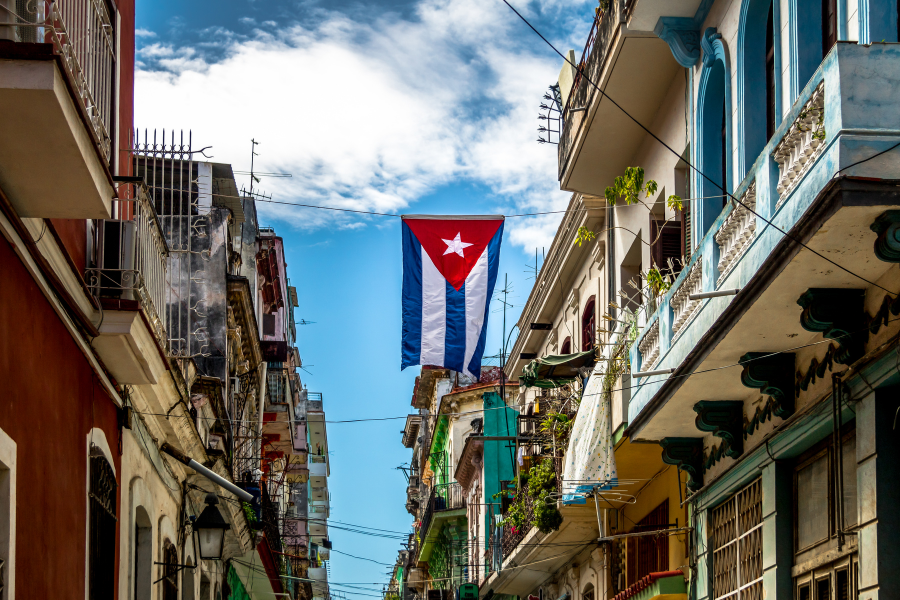
A Cuban flag hangs between colorful, weathered buildings under a bright blue sky with clouds.The U.S.-Cuba negotiations may feel like a slow burn, but the range of outcomes is anything but narrow. From cautious normalization to outright collapse, here are four possible scenarios that businesses and policymakers should be preparing for.

  1. Regime fragmentation and managed collapse: If talks fail, Cuba's Revolutionary Armed Forces (FAR) could fracture politically while still holding the country together operationally, acting as a transition arbiter. Migration pressures would rise, but a security vacuum would be avoided, leaving some foundation for eventual engagement.

  2. Gradual normalization: The most orderly path forward, but don't mistake it for genuine reform. Any deal will require buy-in from the FAR, which means preserving their grip on key economic and security functions. Cuba's concessions will likely stay tactical, including prisoner releases, limited private sector expansion and migration cooperation. For businesses, market access could mean partnering with FAR-controlled entities and accepting real legal and political risk.

  3. Prolonged negotiations: Havana has strong incentives to run out the clock, extracting concessions while minimizing political commitments. For Washington, that creates domestic pressure and credibility problems. For businesses, drawn-out talks mean sustained uncertainty over market access, legal exposure and the durability of any agreements reached.

  4. Hard state failure and regional spillover: In this worst-case scenario, FAR cohesion and/or operational viability breaks down, mass migration overwhelms neighboring states, and even the United States, and maritime disorder follows. Supply chains would fracture, and businesses would additionally face higher insurance and security costs, labor volatility and increased political risk. 

To learn more, contact the Prospero team at FGS-prospero@fgsglobal.com.

April 7, 2026
By Nedra Pickler, Irene Moskowitz and Erin Barth-Dwyer

Share

Want to see more of this in your inbox?