Food Fight?

Food Fight?

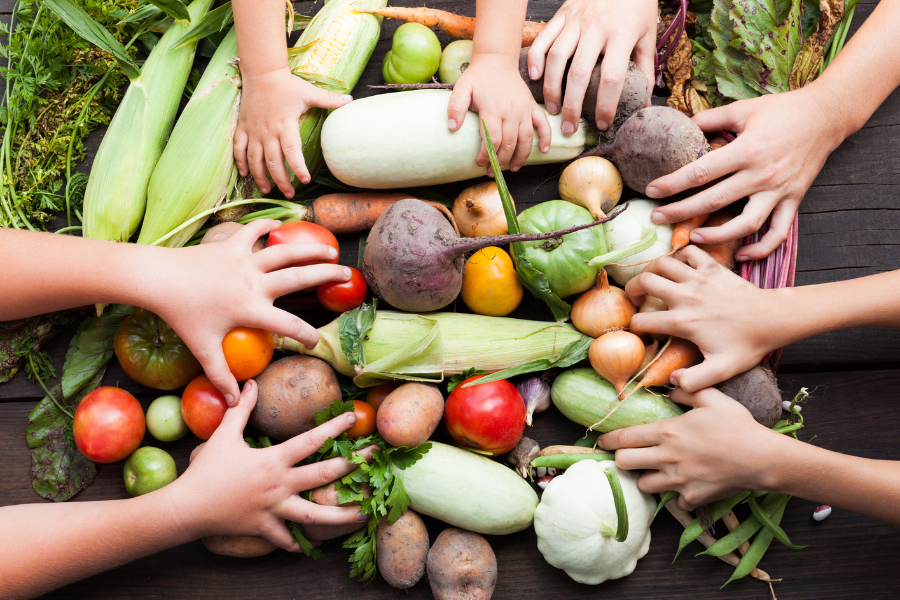
Today, the Make America Healthy Again (MAHA) Commission is set to submit its “Make Our Children Healthy Again Strategy” to the president. This sweeping public health blueprint follows the commission’s May assessment report and is intended to guide federal policy on nutrition, food labeling and agricultural regulation for the remainder of President Trump’s second term. 

While the report is due today per the February Executive Order, news outlets are reporting a delay in its public release. Officials are now aiming for a public launch by the end of this month. The rollout is already drawing intense attention from policymakers, industry groups and advocacy organizations, but the delay has left all parties anxiously waiting.

Our colleagues at What We’re Watching in Food and Agriculture have outlined what you need to know:

  • Core focus areas are expected to include a federal definition for “ultra-processed foods,” updates to the U.S. Dietary Guidelines, a review of front-of-package nutrition labeling proposals and reassessment of regulations for GRAS ingredients, artificial colors and additives.

  • The process has already ignited fierce lobbying. In June, over 250 agriculture groups urged the commission to include farmers, ranchers and food producers in a collaborative process. The advocacy group, Consumer Action for a Strong Economy is gathering public commentary as stakeholders press for a formal public comment period, which the commission has yet to establish.

  • MAHA’s frustrations with Republicans are growing. POLITICO reports the White House has no plans to restrict pesticides in farming – a decision likely to strain ties between MAHA advocates and the MAGA base. Combined with Republican support for liability shields for chemical companies, the move has sparked warnings from MAHA leaders about potential coalition fallout heading into election season.

To sign up for What We’re Watching in Food & Ag, email our team here.
By the Numbers

Poll Vault

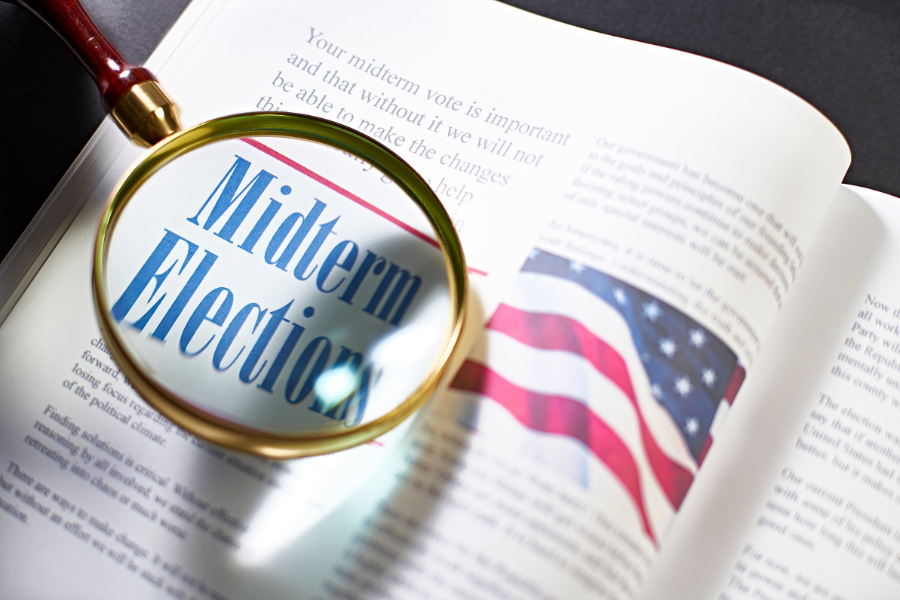
The 2026 midterms are set to be a highly competitive and consequential showdown that could upend control of Congress. With President Trump and the GOP holding narrow majorities in both chambers, voters will deliver a verdict on the administration’s sweeping agenda – particularly the recently enacted “One Big Beautiful Bill.” 

Our Alternative Futures team has identified trends to watch as we get closer to November 3rd:

  • Generic ballot & historic patterns: Models based on generic ballot polling and seat exposure slightly favor Democrats for House control, even with modest leads in current national polling.

  • Voter sentiment: Special elections and polling have shown Democratic momentum, with some evidence of typical "midterm backlash" against the governing party. 

  • Legislative impact: The major GOP tax and spending package is driving campaign messaging and emerging as the central issue in dozens of competitive races.

Analyst Consensus:

  • House: Nonpartisan analysts widely expect Democrats to have a good opportunity to recapture the House, given historical midterm patterns and the GOP's narrow current margin. But state redistricting efforts could complicate the picture. 

  • Senate: Democratic control is unlikely but possible; a handful of swing states will determine the outcome. Retirements and candidate recruitment will have a major impact. A Democratic wave could flip the chamber.

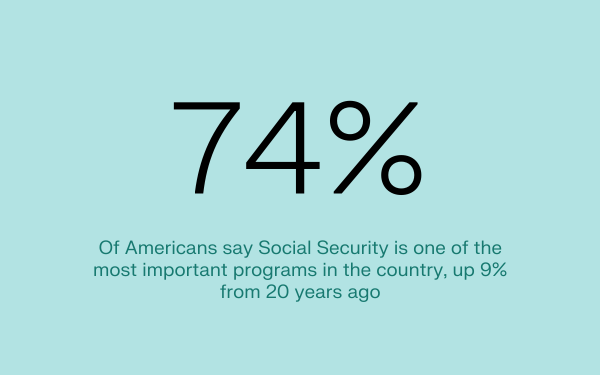
  • Campaign environment: Races will be shaped by voter responses to the GOP legislative agenda, with battles over healthcare, Social Security, taxes, immigration and Trump's overall policy direction.

To learn more, reach out to FGS Global’s Alternative Futures team at AlternativeFutures@fgsglobal.com.

Sound Decisions

Podcasts have officially surpassed TV as a primary news source for information – solidifying their role in how audiences consume information, form opinions and build trust. For any modern media strategy, this means podcasts must be treated as a core channel. 

FGS Global’s Media Engagement Group has identified four key focus areas for developing an effective podcast strategy in 2025:

  1. Media lists and targets: The podcast landscape is vast and varied. Effective targeting starts with understanding the unique editorial tone and community culture of each show. Always listen to multiple full episodes before pitching and research host behavior, prioritizing cultural fit over prestige.

  2. Pitch refinement: Pitching podcasts is more personal and platform-specific than traditional media. Success hinges on understanding the audience, offering specific points of view and building relationships through thoughtful, concise outreach. DMs and social-first tactics are often more effective than formal channels.

  3. Guests success strategies: Podcast interviews often run long and are deeply conversational. Guests should prepare thoroughly, using tools like mock interviews and host-specific practice. Encourage storytelling, plain language and the ability to pivot or disagree respectfully. On-camera presence, stamina and charm matter as much as message discipline.

  4. Nail the tech: Good tech signals professionalism. Prioritize crisp audio, stable video, strong lighting and thoughtful setup. Always run sound checks, remove distractions and bring backups where possible. 

August 12, 2025
By Nedra Pickler, Irene Moskowitz and Erin Barth-Dwyer

Share

Want to see more of this in your inbox?