Artificial Instincts

A person holds out their hand with a glowing digital brain hologram, connected to circuit patterns, symbolizing artificial intelligence.

Artificial Instincts

When a crisis breaks, AI can draft the statement, simulate the backlash, and model a dozen stakeholder reactions before anyone picks up the phone. It can even run leadership teams through deepfake scenarios and real-time social dynamics before a real crisis hits. What it still can't do is decide whether to hit send.

That distinction is becoming the industry's defining line. Stakeholders notice when a response feels automated, and that perception is costly. Trust erodes fast, and a strategy can unravel with it. The organizations protecting their reputations most effectively right now are the ones pairing AI's speed with human judgment exactly when it matters most.

However, the operational reality is messier than the promise. Workflows are still individualized, governance is still evolving, and teams are navigating the balance between speed and accuracy, automation and authentic brand voice. AI accelerates research and early drafting, but that same speed raises the bar for oversight. A factual inaccuracy or tone-deaf message can escalate fast.

AI's biggest contribution to crisis advisory is as an analytical accelerator and sparring partner – helping teams stress-test strategies, simulate stakeholder reactions, and benchmark historical cases. Generative tools handle first-cut drafting, which frees advisers to focus on strategic refinement. One principle holds: there needs to be a human at the gate.

The future of crisis communications favors organizations that integrate AI safely over those that simply adopt it first. Real judgment means knowing when to go against the data to protect a reputation. 

To learn more about how FGS can help your organization find the right balance, contact PublicAffairsInquiries@fgsglobal.com. 
By the Numbers

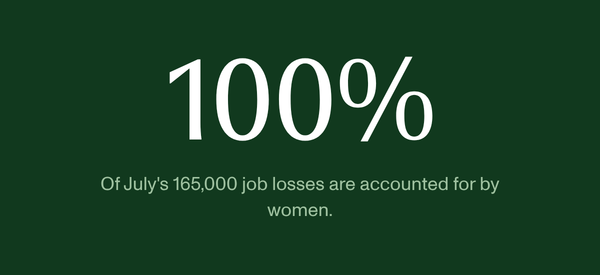
Light text on a dark green background that says: "100% of July's 165,000 job losses are accounted for by women."

Yen, if Ever?

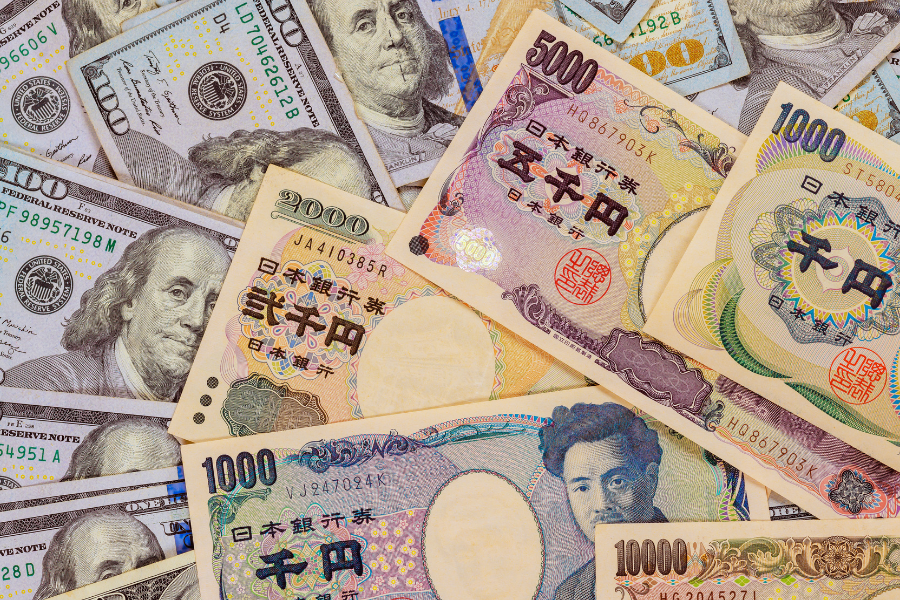
Various denominations of Japanese yen and US dollar banknotes spread across a surface, showcasing the currencies' designs.Japan and the U.S. just staged the biggest coordinated currency intervention in nearly three decades. Earlier this month, the two nations jointly bought more than $60 billion worth of yen – unconventionally funding the operation with euros rather than dollars. The instruction was blunt enough to be photographed: a notepad in front of Treasury Secretary Scott Bessent at a cabinet meeting read simply, "To Do: Buy Japanese Yen $5-10 bil."

The official case rests on two pillars. A weak yen is fueling Japanese inflation by raising import costs for energy, 90% of which Japan sources abroad. Left unchecked, it also risks touching off competitive devaluations across Asia – echoes of 1997-98 linger. Washington's own interest is less publicized but simpler: Japan is the largest foreign holder of U.S. Treasuries. A Japan forced to keep selling those holdings to fund a unilateral yen defense would push up American borrowing costs directly.

The results so far track the historical pattern. The yen has moved off its 40-year low of ¥164/$ to ¥157/$, then stalled. That’s consistent with the American Enterprise Institute's read on Japan's long history of "failed foreign exchange intervention experiments," and a National Bureau of Economic Research study showing interventions rarely outlast a few days. Black Wednesday in 1992 made the same point when the Bank of England spent over £27 billion defending sterling against speculators and lost anyway.

With Japan's real interest rates sitting at around minus 0.75% against elevated U.S. rates, the carry trade remains too lucrative to check with intervention alone. Without a meaningful narrowing of the rate differential, the yen’s downward pull is likely to return.

For more stories like this, subscribe to FGS Global’s Asia In Context newsletter.

Unfollow the Leader?

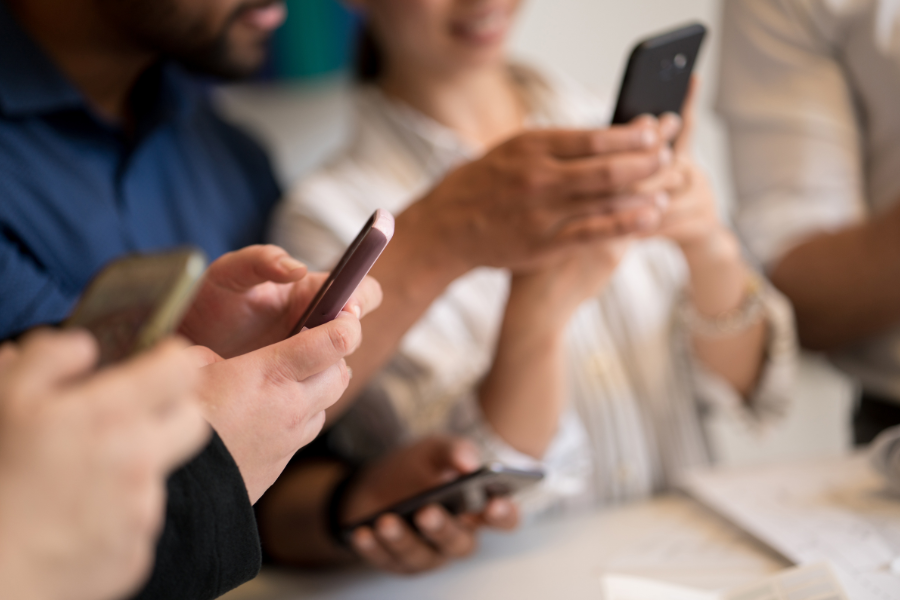
People holding and using smartphones, focusing on hands and devices in a social or business setting.Where journalists spend their time online is changing fast – and so is who they trust while they're there. A recent MuckRack survey of reporters' social habits shows a landscape in active flux, with trust and utility increasingly pointing in different directions depending on the platform. For communications teams across sectors, knowing where journalists spend time – and why – is the groundwork for smarter pitching and more strategic platform presence. Our Health Media Insights colleagues highlight the key takeaways:

  • LinkedIn's prominence is growing, with 58% of journalists rating it their most trusted platform for treating journalistic content fairly. Nearly half report spending more time on it this year than last. Reporters rely on it for professional networking and expert sourcing. 

  • Instagram is also gaining ground, with 40% of journalists increasing their time on the platform, more than any other besides LinkedIn.

  • X is losing the room, with only 17% of journalists considering it their most valuable platform, down from 36% in 2024. Nearly 70% consider it untrustworthy when it comes to treating journalistic content fairly. However, the platform remains useful for monitoring breaking news and real-time updates.

  • Facebook presents the sharpest contradiction in the data. It ranks first for overall value among journalists for the second consecutive year, with 28% rating it their top platform – yet 61% consider it untrustworthy in its treatment of journalistic content. Reporters are using it as a reporting tool while distrusting it as a distribution channel.

To sign up for Health Media Insights, email health@fgsglobal.com. 

August 18, 2026
By Nedra Pickler, Irene Moskowitz and Erin Barth-Dwyer

Share

Want to see more of this in your inbox?