A Look UNGA the Hood

A Look UNGA the Hood

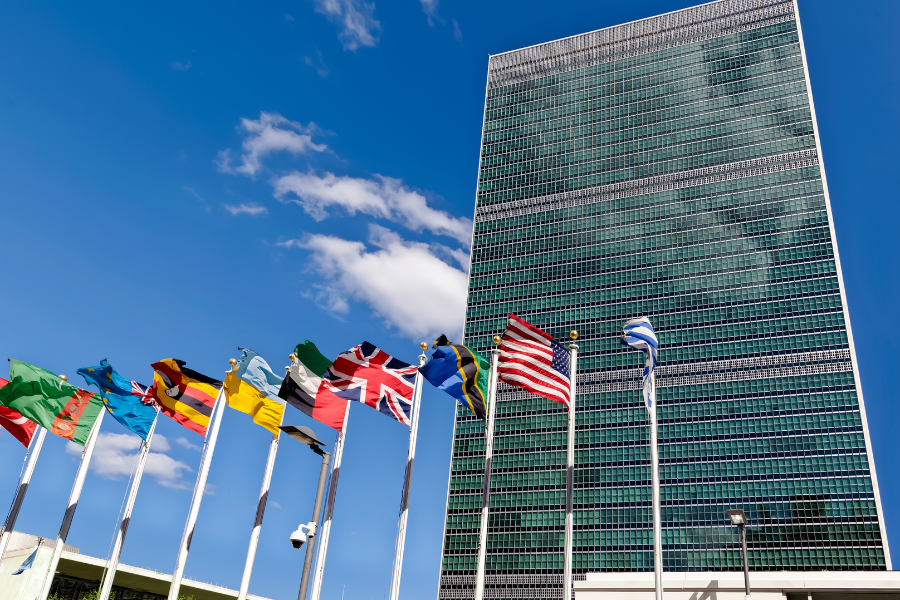
FGS Global was out in force with clients at this year’s UN General Assembly. Here's a look at the key topics and moments from this year's high-level week:  

  • Trump's UN critique. President Trump criticized the UN as ineffective, warning member states "your countries are going to hell," but later softened his tone in a meeting with the UN Secretary-General, expressing support for the organization.  

  • Focus on Gaza. From Netanyahu's defiant speech amid mass walkouts to a surge in nations recognizing Palestinian statehood, Gaza took center stage. In a landmark move, the UN convened a high-level conference on Palestine, where global leaders called for an immediate ceasefire and renewed support for a two-state solution.  

  • Ukraine policy shift. Trump appeared to reverse course on Ukraine after meeting with President Zelensky, backing Ukraine to "fight and WIN all of Ukraine back,” countering his previous calls for territorial concessions.  

  • Health agenda falls short. The U.S. rejected the UN's political declaration on non-communicable diseases, with Health Secretary RFK Jr. criticizing it for exceeding the UN's proper role. 

  • Climate commitments without the U.S. 120 countries announced new emissions targets at the UN Climate Summit, with China pledging to cut emissions 7-10% by 2035. The U.S. was notably absent from the discussions.  

  • Energy and AI nexus overshadow climate. What was billed as Climate Week felt more like “Energy and AI Week” in New York, as conversations shifted from traditional climate pledges toward the intersection of clean energy, AI and the surging demand for data centers. Venture capital investors were notably active, eyeing infrastructure plays to power AI’s growth, from expanding renewable capacity to modernizing the grid. 
By the Numbers

Mastering the Bench Press

As the Supreme Court begins its new term next week, organizations across sectors should pay attention to how communications strategies intersect with litigation. Our Health Media Insights colleagues recently sat down with FGS Global Partner Peter Gardner, who has supported nearly two dozen matters before the Court, for his perspective on litigation communications and what leaders should keep in mind. Here’s what we learned:

  • Litigation communications is more than publicity. It’s about managing the environment around a legal matter in ways that support case strategy. That can mean answering questions from employees, investors and customers – or proactively shaping the broader conversation in which arguments are heard.

  • Complex industries face unique hurdles. Health care litigation often involves technical science and strict privacy rules, but the lessons apply across industries: distill dense legal filings into accessible terms, and anticipate the ways high-stakes, deeply personal issues can drive public scrutiny.

  • Know your reporters. Legal correspondents follow case dockets closely and often need guidance on which developments matter most. For Supreme Court cases in particular, a small, specialized press corps covers filings and arguments with intensity. Successful communicators help them connect legal complexities to human impact.

The new term offers an opportunity for leaders to step back and think about their own readiness. Whether your organization is in health care or another highly regulated industry, proactive litigation communications planning can help ensure you’re prepared when the spotlight turns your way.

To sign up for FGS Global's Health Media Insights newsletter, email health@fgsglobal.com.

Cash Rules Everything Around the Midterms

Economic concerns are emerging as the defining force of the 2026 midterm campaigns, driving both party strategies and voter priorities. Nearly 39% of Americans say the economy is poor, while 54% believe it is getting worse – a stark backdrop that puts issues like inflation, consumer costs and job security at the forefront of the race.

  • Inflation and cost of living: Inflation remains a central campaign theme, with both Republican and Democratic strategists recognizing its importance. Recent GOP polling shows 25% of voters rate inflation as the most important issue, surpassing all others. GOP strategists urge candidates to highlight actions to curb inflation, such as legislation aimed at lowering consumer costs. Democrats are adjusting their approach by emphasizing policy contrasts and promising relief on everyday expenses like food and prescription drugs.

  • Tariffs, legislation and economic messaging: Republicans are emphasizing recent tariff policies and the passage of Trump’s “One Big Beautiful Bill,” which includes tax cuts and spending adjustments. They frame these measures as beneficial for economic competitiveness and manufacturing, although some focus groups cite concern over rising prices and potential shortages. Democrats are countering by spotlighting cost increases attributed to tariffs and pushing policies designed to ease the financial burden on households.

  • Voter impact and electoral strategy: Voters, including key demographics such as Latino communities, are motivated primarily by economic interests – especially lower prices for daily essentials. Both parties are working to mobilize these constituencies early, using economic arguments as pivotal campaign drivers. 

To learn more, reach out to FGS Global’s Alternative Futures team at AlternativeFutures@fgsglobal.com.

September 30, 2025
By Nedra Pickler, Irene Moskowitz and Erin Barth-Dwyer

Share

Want to see more of this in your inbox?