
Stocks, Shocks and Silver Linings

Stocks, Shocks and Silver Linings

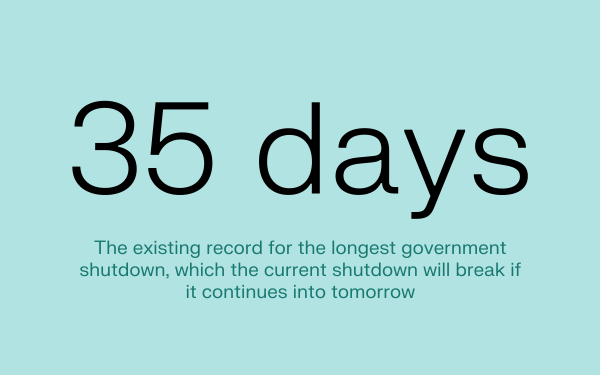
North American markets continue to show resilience as 2025 enters its final quarter. Economic data and corporate earnings have so far remained broadly positive, even as the ongoing U.S. government shutdown disrupts the flow of information and keeps investors on alert.

  • The Fed offered some relief, delivering its first rate cut of the year in September, along with a subsequent cut in October 2025 – even as the FOMC tempered expectations for additional rates cuts through year-end.

  • Equities held firm, extending their rally on the back of supportive economic data, anticipated rate cuts and persistent enthusiasm for AI-driven innovation and capital investment.

  • Dealmaking gained momentum, with M&A activity accelerating sharply in Q3 – driven by double-digit growth in mega-transactions that signaled renewed corporate confidence.

  • Geopolitics offered a cautious silver lining, as signs of progress toward resolving conflict in the Middle East helped temper broader global risk sentiment.

  • Consumers showed strain, with sentiment and forward expectations softening after a strong Q2 rebound, underscoring a widening divide between lower- and higher-income households.

  • Trade and supply chains remained stable, though shifting policy dynamics continue to cast uncertainty over future flows.

Looking ahead, momentum is building – but so are risks. M&A strength pushed global deal values to nearly $4 trillion through early November, which combined with gradually increasing IPOs, portend positive sentiment and deal activity through the end of the year. But with rising unemployment and new bouts of AI-driven layoffs, the overhand of the government shutdown, renewed credit stress concerns, mounting refinancing needs and stretched valuations – markets may soon face a test of confidence.

Learn more about FGS Global’s Transaction & Financial Communications capabilities, and contact the team on our website.
By the Numbers

Xi-ing is Believing

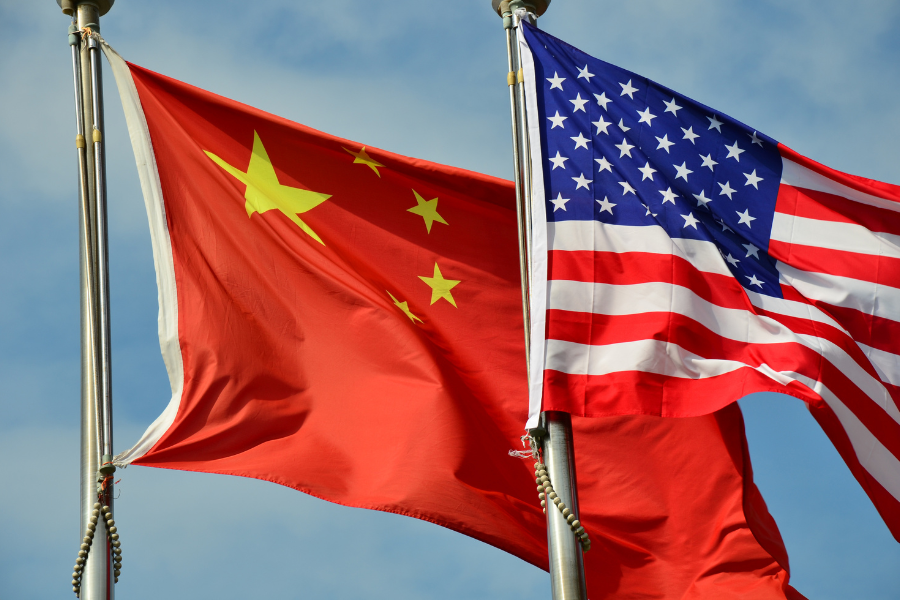
For the first time in six years, Presidents Trump and Xi met face-to-face last week at the APEC summit in Busan, South Korea – signaling a cautious thaw in U.S.–China relations. The two leaders agreed to a one-year trade truce that will see Washington reduce tariffs on Chinese goods from 57% to 47%, while Beijing will ramp up U.S. soybean purchases, delay rare earth export limits and step up cooperation on fentanyl trafficking.

Trump called the meeting a “12 out of 10” and praised Xi as “a great leader,” signaling a softer tone after months of escalating trade and technology tensions. The meeting concluded with plans for reciprocal visits: Trump to China in April 2026, followed by a Xi trip to the United States. Separately, U.S. Treasury Secretary Scott Bessent announced that China has approved the transfer agreement for TikTok, while the details remain undisclosed. 

Yet beneath the diplomatic warmth, core tensions underlying the relationship remain unresolved. China’s manufacturing overcapacity, industrial policies and U.S. export controls on advanced technology were left largely untouched. For now, the détente offers breathing room rather than resolution. Whether this marks the start of a lasting reset or merely another calm before the next trade storm remains to be seen.

For more, subscribe to FGS Global’s Asia In Context newsletter.

Metapolitics?

As of last month, Meta has banned all political, electoral and social issue ads on its platforms across the European Union – a move that highlights the growing transatlantic divide over how democracies regulate political speech online. The decision follows the EU’s new Transparency and Targeting of Political Advertising (TTPA) rules, which Meta says are overly complex and create legal uncertainty.

By pulling out of the EU’s political ad market, Meta is closing off a major channel for parties, candidates and advocacy groups to reach voters ahead of critical elections. The company argues it has little choice under the new framework, but the decision underscores a deeper tension between regulation and free expression.

Europe’s approach prioritizes transparency and user protection, even at the expense of limiting political communication. The United States, by contrast, continues to allow targeted political ads under the banner of free speech, reflecting a more permissive stance toward digital campaigning.

Meta’s move suggests that global platforms may increasingly choose to withdraw from tightly regulated environments rather than adapt to them – a trend that could reshape how political messages circulate online and further fragment the global standards governing digital democracy.

For more like this, subscribe to FGS Global’s Digital Insights newsletter.

November 4, 2025
By Nedra Pickler, Irene Moskowitz and Erin Barth-Dwyer

Share

Want to see more of this in your inbox?