
Rear Window

Rear Window

Traditional film and TV promotion, long anchored in talk shows, print features and celebrity press tours, no longer guarantees mass exposure. But today’s audiences demand authenticity, personalization and community, pushing brands and creators to move beyond safe, familiar channels. From press-shy celebrities on unexpected podcasts, to star-fueled merch-as-marketing and unexpected brand partnerships – unconventional strategies have entered the mainstream. 

As audience media diets and expectations evolve, every consumer-facing brand must adapt or risk being left behind. Here’s some 2025 learnings from our entertainment and media experts that can apply to other brands: 

  • Prioritize authenticity: Audiences seek unfiltered conversations and insider perspectives. Influencer engagements are most effective when they feel organic and meaningfully advance the story.

  • Foster interactivity: People want to participate, not just watch. Formats like podcasts, live Q&As and long-form interviews offer higher engagement, even if they’re less controlled.

  • Diversify your toolkit: Go beyond legacy media. Substack, Instagram Live, Snapchat AR, Twitch, Discord and Reddit all offer direct access to niche communities and foster real dialogue.

  • Expect the unexpected: As editorial and sponsored content continue to blur, spokespeople must be prepared for unscripted moments shaped by algorithms rather than editors.

Expand your reach: Multiple targeted, niche interviews can be more impactful than a single legacy profile. Reach is built by meeting audiences where they are, not relying on big-name media alone.

By the Numbers

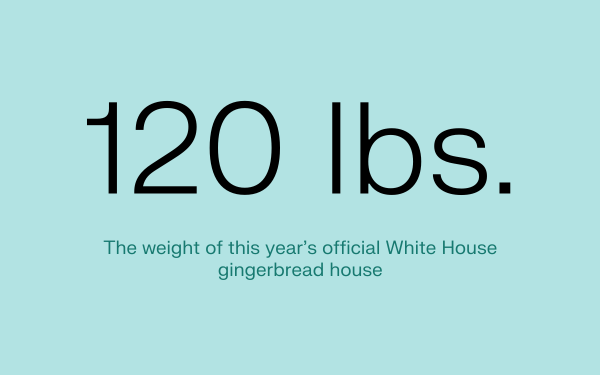
120 pounds - the weight of this year's official white house gingerbread house.

New Year, New Media Strategies

Open notebook reading 'NEW YEAR 2026' beside a laptop, pen, champagne bottle and glass amid confetti and gold ribbon.The best strategies start with honest insights from previous efforts. With a year of earned media outreach in the rearview, a thoughtful review of your team’s pitching performance can reveal what drives real impact so you can sharpen your outreach strategy for the year ahead. 

To guide your team’s reflection, our Health Media Insights colleagues suggests using these key questions:

  • What made your winners work? Revisit your most successful pitches. Were they timely and data-driven? Did you target the right reporters or outlets? Pinpoint the tactics and decisions that led to coverage.

  • Why did your sure thing fail? Analyze pitches you expected to land but didn’t. Was the story truly newsworthy? Did the topic get coverage elsewhere, or was audience interest lacking? Consider if it could have been better positioned as a feature.

  • Where did timing come in? Assess how pitch timing affected your results amid busy news cycles and leaner newsrooms. Did you leverage holidays, earnings or events? Was your editorial calendar built to seize these moments? Did you pitch ahead of morning newsletters or use embargoes strategically?

  • How did your reporter relations develop? Evaluate how your pitching helped build rapport with reporters and create ongoing conversation. How did you work to become a serious source for the reporters you interacted with? Did you solicit feedback and adapt your approach to better meet reporter needs?

For more, subscribe to Health Media Insights by emailing the team at health@fgsglobal.com.

Press Pause?

Newspaper front page with "Local News" headline, a pair of reading glasses and a pen resting on the paper.The local news landscape is evolving quickly. With new pressures and ongoing resource constraints, outlets are experimenting with alternative business structures and fighting to stay connected to their communities. Understanding these shifts is increasingly important for anyone engaging with reporters at the local level.

To help inform your local media engagement strategy going into 2026, our Health Media Insights colleagues analysed Northwestern University’s Medill School of Journalism’s State of Local News 2025 Report:

  • Local news is still shrinking. Nearly 40% of U.S. local newspapers have disappeared over the past two decades, leaving an estimated 50 million Americans with little or no community news. Meanwhile, Congress’ decision to revoke federal funding for local NPR and PBS member stations is also taking a toll, with layoffs or closures announced by outlets from North Carolina to Colorado to New Jersey.

  • Outlets are publishing less often. With circulation and digital readership on the downturn, local outlets are reducing publication frequency. More than 80% of daily papers publish fewer than seven days a week, and a quarter print fewer than four. In response, many outlets are turning to email newsletters as a low-cost way to reach readers directly.

  • Philanthropic support remains uneven. While groups like the American Journalism Project, Press Forward and others are stepping in to support struggling newsrooms, philanthropy remains heavily focused on urban outlets. Of the 10,000 largest journalism grants distributed over the past five years, 95% went to city-based organizations, leaving rural and suburban newsrooms with fewer lifelines.

December 16, 2025
By Nedra Pickler, Irene Moskowitz and Erin Barth-Dwyer

Share

Want to see more of this in your inbox?