The Trump tour edition

The Macro – US and China: A rekindled bromance

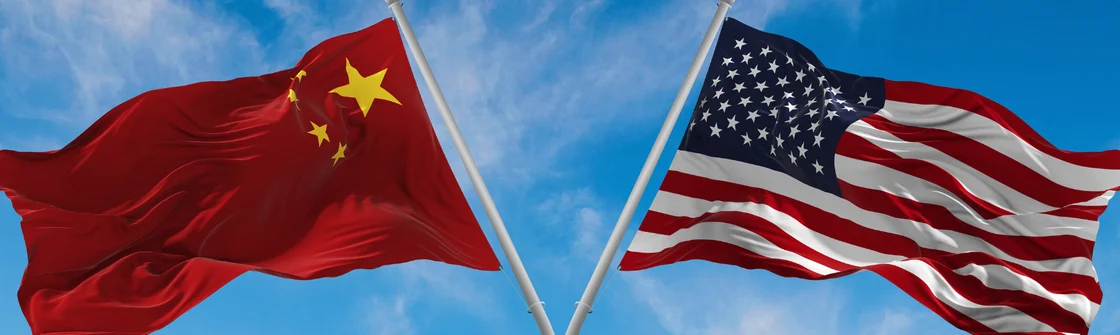
Insight: Presidents Trump and Xi held their first face-to-face meeting in six years at the APEC summit in Busan, South Korea. The leaders struck a one-year trade truce that sees Washington reducing tariffs on Chinese goods from 57% to 47%, while Beijing agreed to resume large-scale purchases of American soybeans, postpone planned rare earth export restrictions, and enhance cooperation on combating fentanyl trafficking. The meeting concluded with plans for reciprocal visits: Trump to China in April 2026, followed by a Xi trip to the United States. Separately, US Treasury Secretary Scott Bessent announced that China has approved the transfer agreement for TikTok, while the details remain undisclosed. 

Impact: After six turbulent months of tariffs, export curbs, threats and counter-threats, Trump’s “12 on a scale of 1 to 10” rating of the meeting and praise for Xi as “a great leader” provide positive signs that a bromance between the two leaders is being rekindled. The one-year framework offers capital markets much needed policy certainty, while scheduled state visits signal both leaders’ commitment to continued dialogue. Yet beneath the ‘ceasefire’, core issues -- including China’s manufacturing overcapacity, industrial policies, and US export controls on Nvidia chips -- remain unaddressed. What emerged from this highly anticipated meeting will take time to digest. Meanwhile, the world can enjoy some photos of the two presidents standing and smiling next to each other that are not AI-generated. 
Asia by numbers: 12+

International diplomacy is starting to look like ‘The Art of the Deal’: A dozen (and counting) major agreements have been announced during President Trump’s Asia tour, from a critical minerals partnership with Japan to trade deals with several ASEAN nations and South Korea’s pledge to buy over 100 Boeings as well as lots of American LNG.

The Micro – ASEAN: America first, Asia second

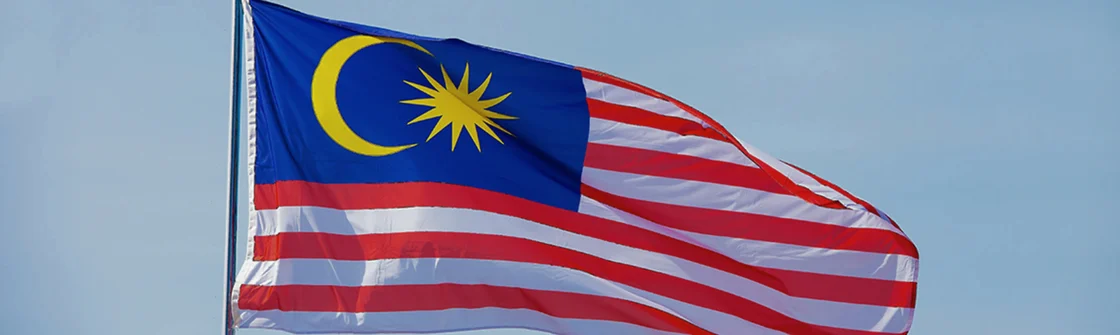
Insight: President Trump’s first visit to Southeast Asia in eight years ended with a flurry of handshakes and headlines -- but few lasting answers. At the 47th ASEAN Summit in Kuala Lumpur, Trump presided over a ceasefire between Thailand and Cambodia and signed four “reciprocal trade deals” with Malaysia, Vietnam, Thailand, and Cambodia. Malaysia appears to have fared best, securing zero tariffs on key exports like palm oil, rubber, and cocoa, alongside cooperation on rare earths and a temporary reprieve from semiconductor tariffs. In return, however, it has pledged $70 billion of investment into the US. 

Impact: With an approach best described as transactional diplomacy, Trump reinforced his America First instincts and sidelined ASEAN’s collective clout. By negotiating state-by-state, Washington secured political optics and commercial advantages without offering deeper structural relief. For Southeast Asia, the short-term gains, in terms of US market access and greater economic certainty, may come at a long-term cost: exposure to US leverage and a very real risk of potential fragmentation of regional trade cohesion. Still, Trump’s presence at the summit offered reassurance that the US is not retreating from Asia altogether -- just rewriting the rules of engagement, one bilateral deal at a time. 

News you can use – Japan: How to deal with Donald

Insight: President Trump’s visit to Japan this week is being hailed as a success after the two countries signed deals to work together on next-generation technologies, securing critical mineral supplies, diversifying supply chains and more. Officials also released a fact sheet naming leading Japanese companies that are eager to invest in the US under the $550 billion framework agreed between the US and Japan. Trump also got to meet the Emperor and give a speech at a US naval base. New Prime Minister Sanae Takaichi is reaping the credit for a well-organized visit that has raised Japan’s standing in US eyes and her own standing at home.  

Impact:  Japan served up everything Trump loves and is likely to remember fondly: business and investment deals worth billions of dollars, however vague the details; some great photo opportunities, including a meeting with royalty and posing on an aircraft carrier; and lavish gifts, including golden golf balls and the putter used by former prime minister Abe. Nor did current premier Takaichi stint on the personal flattery, saying she would support Trump’s nomination for the Nobel Peace Prize, while illuminating Tokyo landmarks in red, white and blue. In return, there was reassurance from Trump regarding the US-Japan security alliance, the future of which many Japanese had started to question. And talk of a new ‘golden age’ of innovation born of mutual cooperation. Japan’s skill at rolling out the red, or rather golden, carpet for the US president sets a high bar for others.

If you read one thing: China's 15th Five-Year Plan

While international diplomacy has been to the fore this week, last week China’s Communist Party set out the blueprint for the nation’s domestic and economic policy by adopting a 15th Five-Year Plan. Despite talk about raising domestic consumption, improving childcare, elderly care and healthcare, the focus remains very much on the drive to technological self-sufficiency.

Read a short summary here.

October 31, 2025

Share

Want to see more of this in your inbox?