Mission Critical

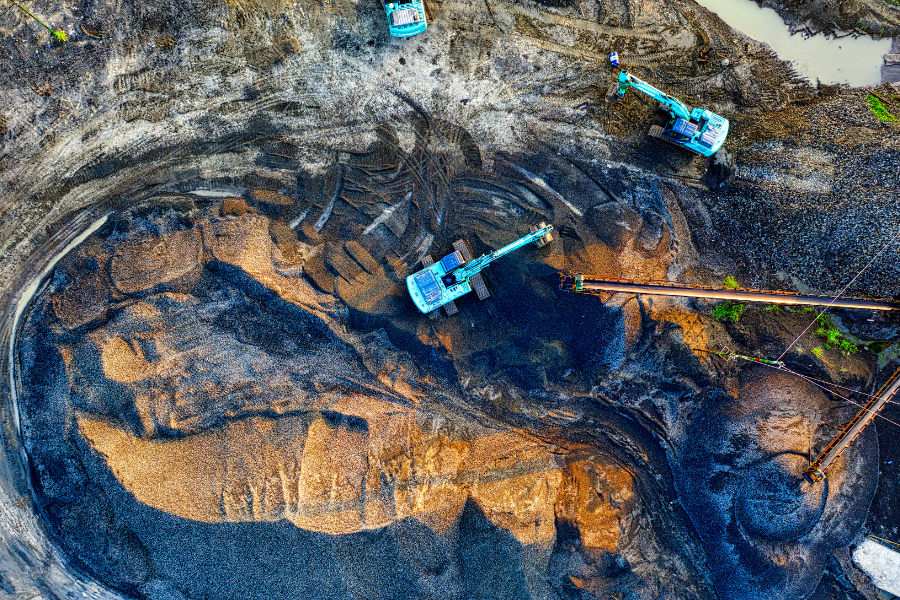
Aerial view of a large mining site with excavation machinery working on dark and sandy terrain, creating swirling patterns in the soil.

Beyond the Beltway: Mission Critical

Critical minerals have become one of the most consequential pressure points in U.S.-China strategic competition, spanning trade, national security and industrial policy. As the summit between Presidents Trump and Xi nears, it has become clear that supply chains for energy, defense technology and advanced computing are no longer commercial issues, but instruments of geopolitical leverage. China has turned critical minerals into a calibrated tool of statecraft by weaponizing its dominance in processing and refining through trade restrictions. For Washington, the challenge now lies in building alternatives to Chinese supply and improving its leverage in advance of the upcoming summit.  

The Fault Lines

  • Weaponization vs. guardrails: China’s targeted export controls (e.g. gallium, germanium and rare earths) highlight its willingness to use supply chain control as leverage, while the U.S. seeks supply chain predictability. Despite this, neither side has defined clear objectives. 

  • Midstream bottleneck vs. upstream diversification: The U.S. and its partners are advancing mining projects globally, but China maintains its grip on refining and processing through scale and state support. This chokepoint grants China near-term leverage. 

  • Allied coordination vs. fragmentation: U.S. success depends on alignment with its allies. Yet differing trade, subsidy and industrial objectives create openings for China to divide and continue building its own supply chains – a challenge compounded by the U.S. stepping back from many alliance commitments.  

  • Market certainty vs. structural disruption: Government actions are reshaping how commodities are priced and traded, with direct implications for project economics and market structure. Companies operating across allied jurisdictions face uncertainty over which frameworks will govern supply agreements, investment terms and offtake arrangements and need strategies to proactively manage a less predictable policy environment.  

For tailored insights on sectoral, geographic or scenario-specific risks, please reach out directly to geopolitics@fgsglobal.com. For more information about FGS Global's critical minerals and metals advisory, please contact FGSCriticalMinerals@fgsglobal.com.  
By the Numbers

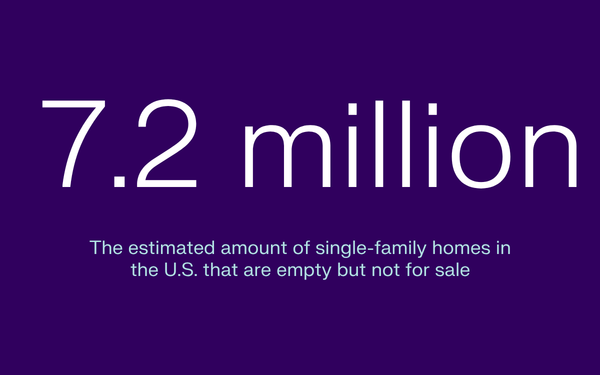
White text on a purple background, reading "7.2 million: the estimated amount of single-family homes in the U.S. that are empty but not for sale."

Antitrust Busters

Upward view of modern skyscrapers against a blue sky with clouds, reflecting sunlight.In a $7.5 billion year for global antitrust fines, federal clearance no longer means global clearance. FGS Global Partner and Global Head of Competition Josh Tzuker participated in a panel at the ALM General Counsel Conference Midwest on navigating an increasingly complex global antitrust environment:

  • Antitrust has gone geopolitical. Global antitrust fines exceeded $7.5 billion in 2025, the highest since 2021, with Europe accounting for the bulk of 2025 penalties, many targeting U.S. tech companies. Companies cannot assume that avoiding U.S. scrutiny keeps them safe.

  • National security is the new wildcard. The U.S. Steel transaction closed after 18 months with the government holding a "golden share." In critical industries, national interest considerations can reshape deal outcomes entirely.

  • AI is generating new exposure. Regulators fear algorithmic pricing and AI-enabled conduct could facilitate collusion, even inadvertently. GCs need visibility into who on the business side is communicating with competitors and through what platforms.

  • State enforcement is filling the federal gap. States are passing their own merger notification laws and state attorneys general are increasingly active, particularly where they perceive reduced federal enforcement. The Live Nation case, now being pursued by thirty states after a federal settlement, is the clearest example.

The bottom line: Compliance programs must be jurisdictionally current – across countries and U.S. states – and embedded in actual workflows, not just documented on paper.

To learn more about our Antitrust & Competition capabilities, visit our website.

All The News That's Fit to Post

A 3D illustration of a person editing videos at a desk with monitors, cameras, and studio lights in a creative workspace.After newsroom layoffs, The Washington Post is pivoting to creator-led video content as a new revenue strategy. The Post has launched its first creator-driven video series and is now building a network of external creators, offering a unique IP-sharing model that lets creators retain ownership of their content – a deliberate play to attract talent in a competitive market while cutting costs. 

Our Digital Insights newsletter colleagues have outlined the implications of this move:

  • The shift reflects a broader industry trend. As legacy newsrooms shrink, outlets are turning to creator partnerships to fill content gaps and sustain audience engagement, particularly with younger, digital-first readers.

  • IP ownership is the recruitment pitch. By letting creators keep their rights, The Post is positioning itself as a platform rather than a publisher – a meaningful distinction in a market where top creative talent has more options than ever.

  • Editorial and reputational questions follow. Creator-led content raises legitimate concerns about standards, brand identity and the long-term effect on news credibility. How The Post manages that tension will determine whether this is a sustainable model or a short-term fix.

For more like this, read the latest edition of Digital Insights and subscribe to the newsletter here. 

May 5, 2026
By Nedra Pickler, Irene Moskowitz and Erin Barth-Dwyer

Share

Want to see more of this in your inbox?