Sugar Crash

Sugar Crash

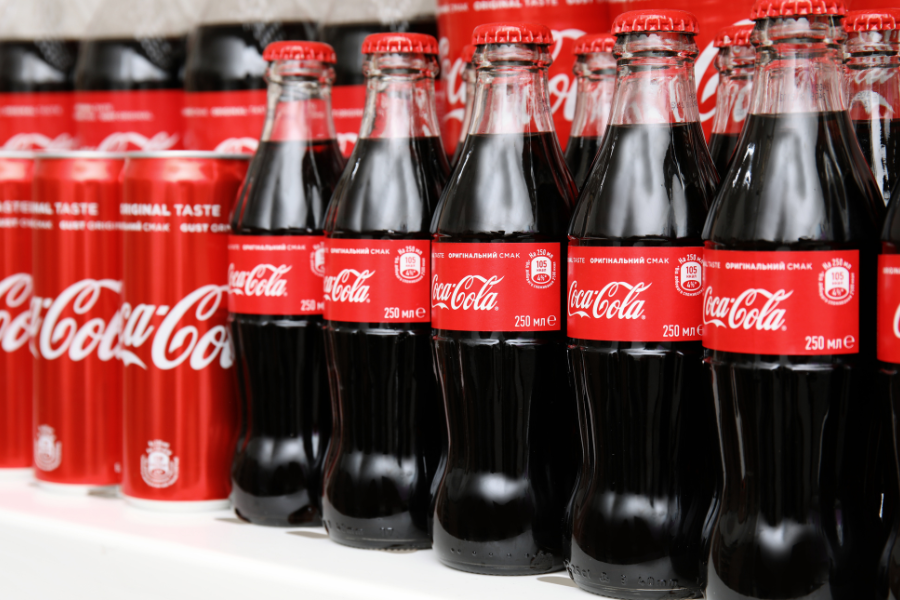
President Donald Trump stunned the food and agriculture industry last week when he announced Coca-Cola has “agreed” to use cane sugar in U.S. products, following criticism of high-fructose corn syrup (HFCS) by U.S. Department of Health & Human Services (HHS) Secretary Robert F. Kennedy, Jr.

If realized, the shift would mark a significant change to an iconic American soft drink and is already shaking the corn and sugar industries. Corn growers and processors warned the move could devastate rural economies and cost thousands of jobs. Meanwhile, Florida and Louisiana sugarcane growers, who dominate U.S. production, celebrated the prospect of surging sugar demand. Senator Bill Cassidy (R-LA) called it “a win for Louisiana’s sugarcane growers” and for Americans’ health. 

The announcement coincides with new tariffs on key agricultural imports, particularly from Mexico and Brazil – both top sugarcane exporters – and tightened limits on specialty sugar imports. The USDA announced no additional imports will be allowed beyond international commitments.

Trump’s announcement is also exposing division within his administration. While President Trump ‘truthed’ that cane sugar was “just better,” Secretary Kennedy has repeatedly condemned both HFCS and cane sugar as “poison” and urged Americans to cut added sugars entirely. 

Coca-Cola has not formally confirmed the change, stating only that it “appreciates President Trump’s enthusiasm” and will share details about new product offerings “soon.” Still, shares of corn syrup giant Archer-Daniels-Midland (ADM) fell 6% after Trump’s post.

To sign up for What We’re Watching in Food & Ag, email our team here.
By the Numbers

Keep Your Powder Dry

Canadian businesses face mounting uncertainty as domestic and global policies, international relations and capital markets continue to shift. Our colleagues at FGS Longview recently joined the Institute of Corporate Directors to lead a webinar on the geopolitical forces shaping Canada’s economic landscape and how boards can respond. 

The panel examined key geopolitical forces – including U.S.-China tensions, the Russia-Ukraine conflict, Middle East instability and erratic policies – all of which are forcing Canadian companies to reevaluate their strategies. While some see these as signs of a new world order, the transactional nature of US decision-making means policies can be reversed just as quickly, keeping businesses on their toes.

Canada’s response reflects a more strategic and pragmatic posture, treating economic security as national security. Initiatives like Bill C-5 aim to fast-track infrastructure and diversify trade, while Prime Minister Mark Carney’s corporate approach prioritizes steady, results-driven leadership. Despite policy headwinds, the US-Canada relationship remains fundamentally strong.

For boards, the imperative is to focus on what’s within their control. Robust scenario planning, proactive stakeholder engagement and strong government partnerships are essential. These strategies will help companies stay nimble, avoid reactive decision-making, and create space to seize new opportunities, especially in a turbulent global landscape.

For more details, read the full article on our website.

The Long Konbini

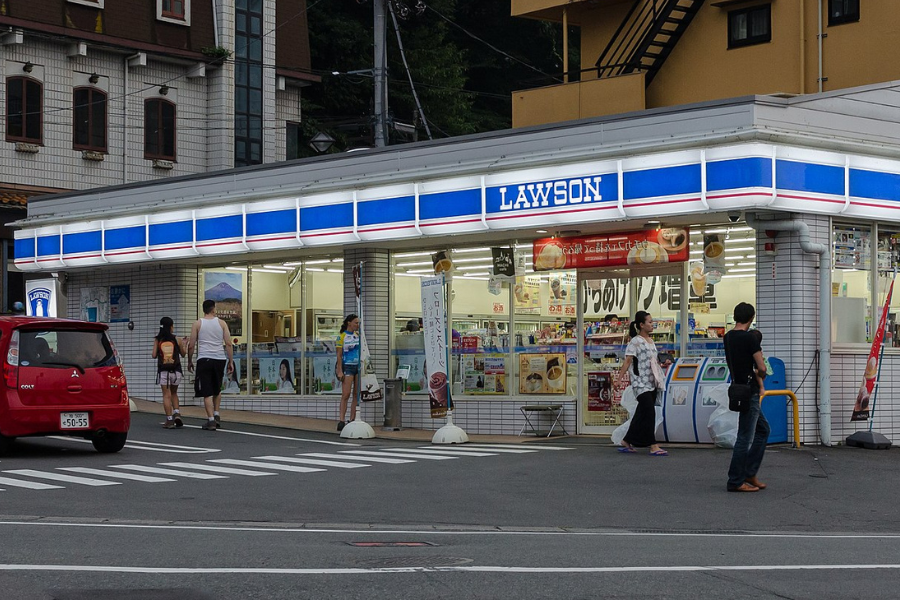
Lawson’s, one of Japan’s largest convenience store chains, has found an unexpected solution to the country’s tourism crunch: turning its parking lots into campsites. At a time when tourists are flooding into the country and hotel rooms are hard to find, guests will be able to park their camper van or vehicle in the parking lot from 6pm to 9am the next morning, use the store’s toilets, access power and dump their garbage. And all for the equivalent of $20 US per night. 

It’s a clever brand move that repurposes some of the chain’s most underutilized real estate (empty parking lots and toilets) while pushing more foot traffic through stores that already operate with high fixed costs.

Japan’s konbini (convenience stores) are already deeply ingrained in daily life, prized for being open around the clock and found on nearly every corner. By rethinking what a konbini can offer, Lawson’s is meeting a real need that will likely deepen public appreciation for the chain.

For more stories like this, subscribe to FGS Global’s Asia In Context newsletter.

July 22, 2025
By Nedra Pickler, Irene Moskowitz and Erin Barth-Dwyer

Share

Want to see more of this in your inbox?