
When C-Suite Meets the Hot Seat

When C-Suite Meets the Hot Seat

Executive scandals are hitting the news almost daily – bringing legal, operational and reputational challenges for the companies involved. Those challenges only grow if a company isn’t prepared to investigate quickly and communicate effectively. 

While every allegation of executive misconduct is unique, our colleagues at FGS Global partnered with investigations firm Secretariat to examine the intersection of compliance and communications. They identified three common pitfalls to avoid:

  1. Speaking too soon: Comprehensive investigations take time. Balance the pressure to respond with the need to see the full picture before speaking. 

  2. Losing credibility: Investigations that appear biased – either in scope or in leadership – will lose public support. 

  3. Failing to own the narrative: Scandals become media fodder quickly. Take control of the story as early and completely as possible.  

Likewise, the research highlights five standard best practices to ensure an incident doesn’t spiral into long-lasting reputational damage: 

  1. Build a cross-functional working group including communications advisors.  

  1. Conduct an independent investigation with new board members, outside auditors or a special committee. 

  2. Align all communications to the legal strategy and the company’s core values. 

  3. Respond thoroughly by sticking to the facts, managing expectations around the investigation and transparently addressing concerns. 

  4. Speak with one voice across internal and external stakeholders. 

Learn more about navigating executive scandals in FGS and Secretariat’s whitepaper.
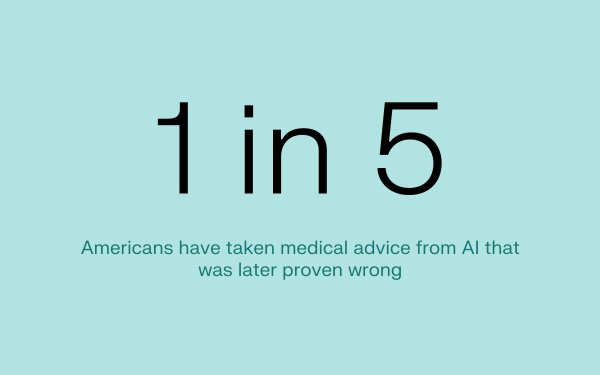
By the Numbers

Loud y Claro

Spanish-speaking communities play an essential role in shaping America’s cultural landscape. With 20% of the U.S. population identifying as Hispanic or Latino, 75% of whom speak Spanish, organizations have a powerful opportunity to connect with audiences whose voices and influence continues to grow.

As Hispanic Heritage Month comes to an end, it’s a good time to remember that meaningful engagement with these communities requires consistency, cultural fluency and a year-round commitment to authentic connection.  To explore how organizations can do this effectively, our Health Media Insights newsletter colleagues spoke with José Dante Parra, partner and head of FGS Prospero. Here are some key takeaways:

  • Think beyond translation. Hispanic communities are culturally and linguistically diverse. Messaging should be tailored to reflect differences in national origin, dialect and language fluency – not simply translated from English. 

  • Lead with personal stories. Human-interest narratives are especially impactful for Latino audiences and can help bridge gaps when technical expertise is limited among reporters.

  • Prioritize Spanish-speaking spokespeople. Having fluent Spanish speakers deliver your message increases the likelihood of successful media placement and authentic engagement.

  • Stay informed. To better understand Spanish-language audiences, Parra recommends following outlets like Telemundo, Univision and Agencia EFE, as well as podcasts like Radio Ambulante and Uforia, and influencers such as Carlos Eduardo Espina. 

To read the full interview, visit FGS Global’s Health Media Insights, or email health@fgsglobal.com to subscribe.

Seeing Isn't Believing

The rise of synthetic media, from deepfakes to AI-generated misinformation, poses an escalating threat to brands, leaders and individuals. With major social platforms curbing moderation efforts and offering limited transparency, false or manipulated content can spread unchecked and inflict real reputational harm. Brands must stay vigilant, report harmful content and respond strategically to protect credibility and trust.  

In the latest Digital Insights newsletter, our colleague Ryan Carey-Mahoney offered the following guidance on navigating synthetic media and misinformation on social media:

  • The social landscape is polarized. Platforms are increasingly shaped by echo chambers that reinforce existing beliefs and identities. Still, incendiary content often breaks through those silos, spreading rapidly across platforms. Users are most likely to believe misinformation that 1) aligns with their worldview, 2) appears to have widespread engagement or 3) circulates across multiple platforms.

  • Platforms bear responsibility for moderating misinformation – but enforcement is inconsistent. Reporting mechanisms vary and often require repeated submissions or legal escalation before any action is taken. Internal contacts can sometimes help expedite review, but those pathways are unreliable and frequently relationship-based.

  • Brands must respond strategically, not reactively. Directly engaging with misinformation on-platform can amplify visibility and escalate coverage. Instead, brands should consider off-platform channels or carefully crafted statements that correct the record without driving further attention.

For more, read the full report here, and subscribe to the Digital Insights Newsletter.

October 14, 2025
By Nedra Pickler, Irene Moskowitz and Erin Barth-Dwyer

Share

Want to see more of this in your inbox?